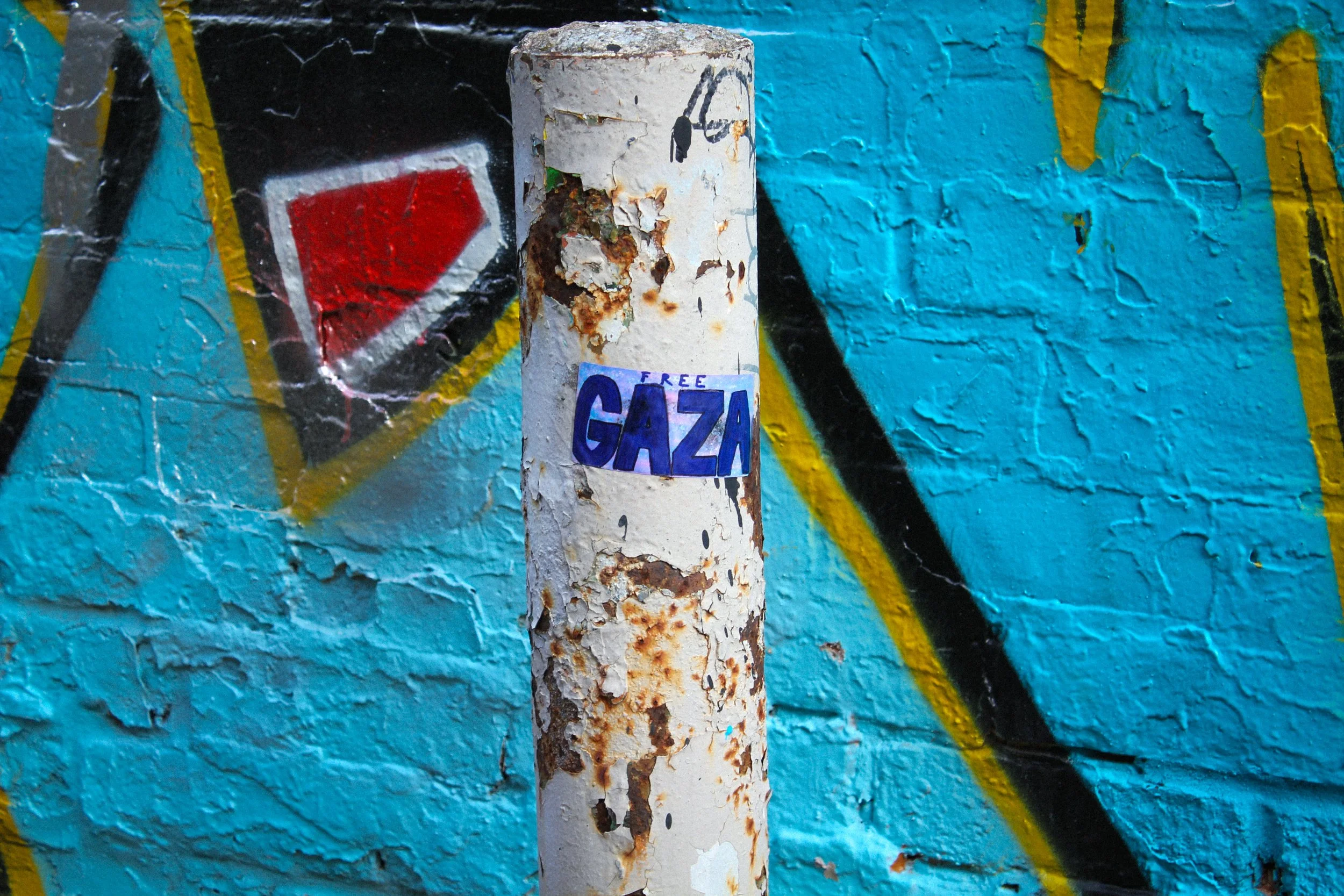
what would happen if we saw graffiti and street art as an ideological call? would you be interested in answering that call?
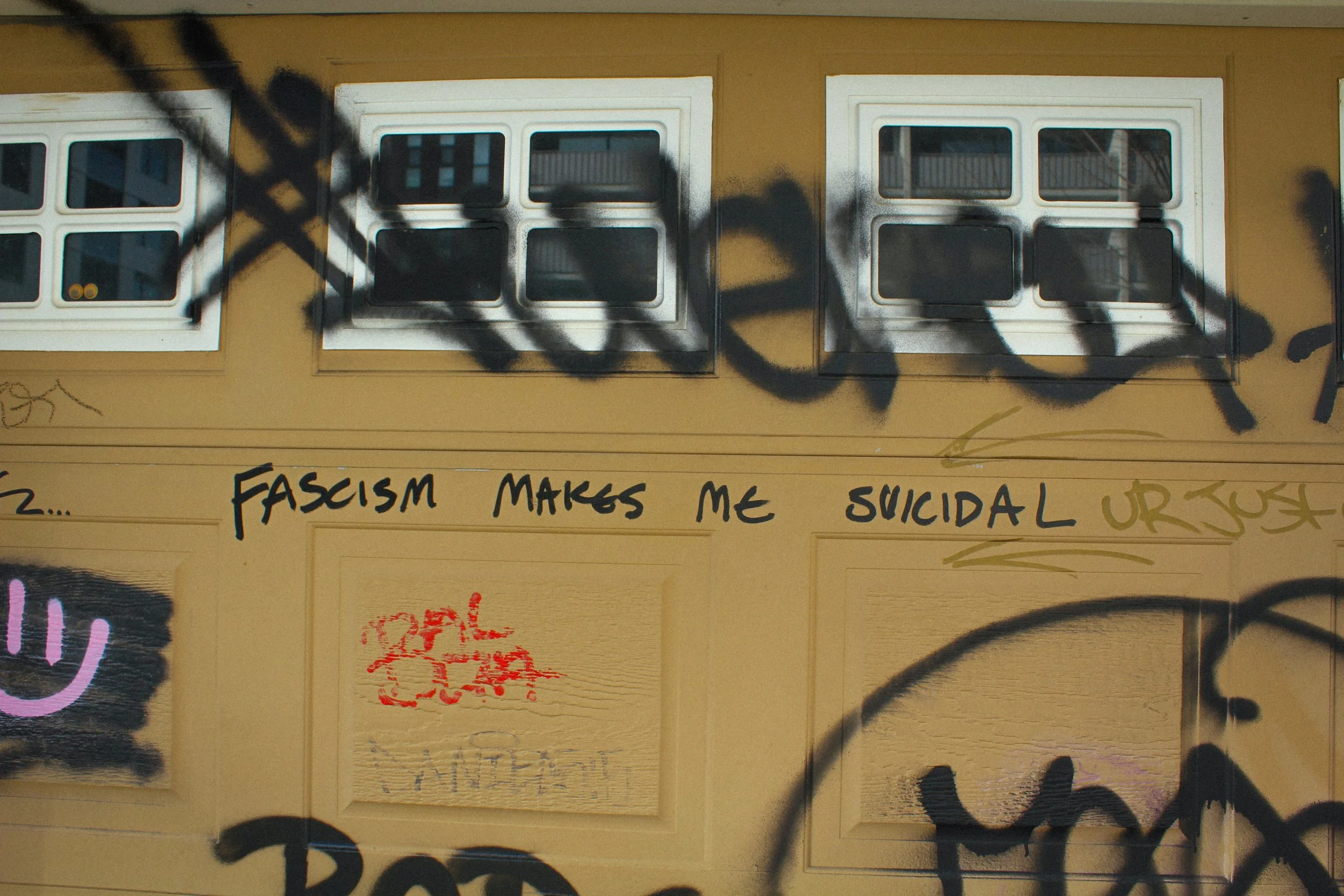
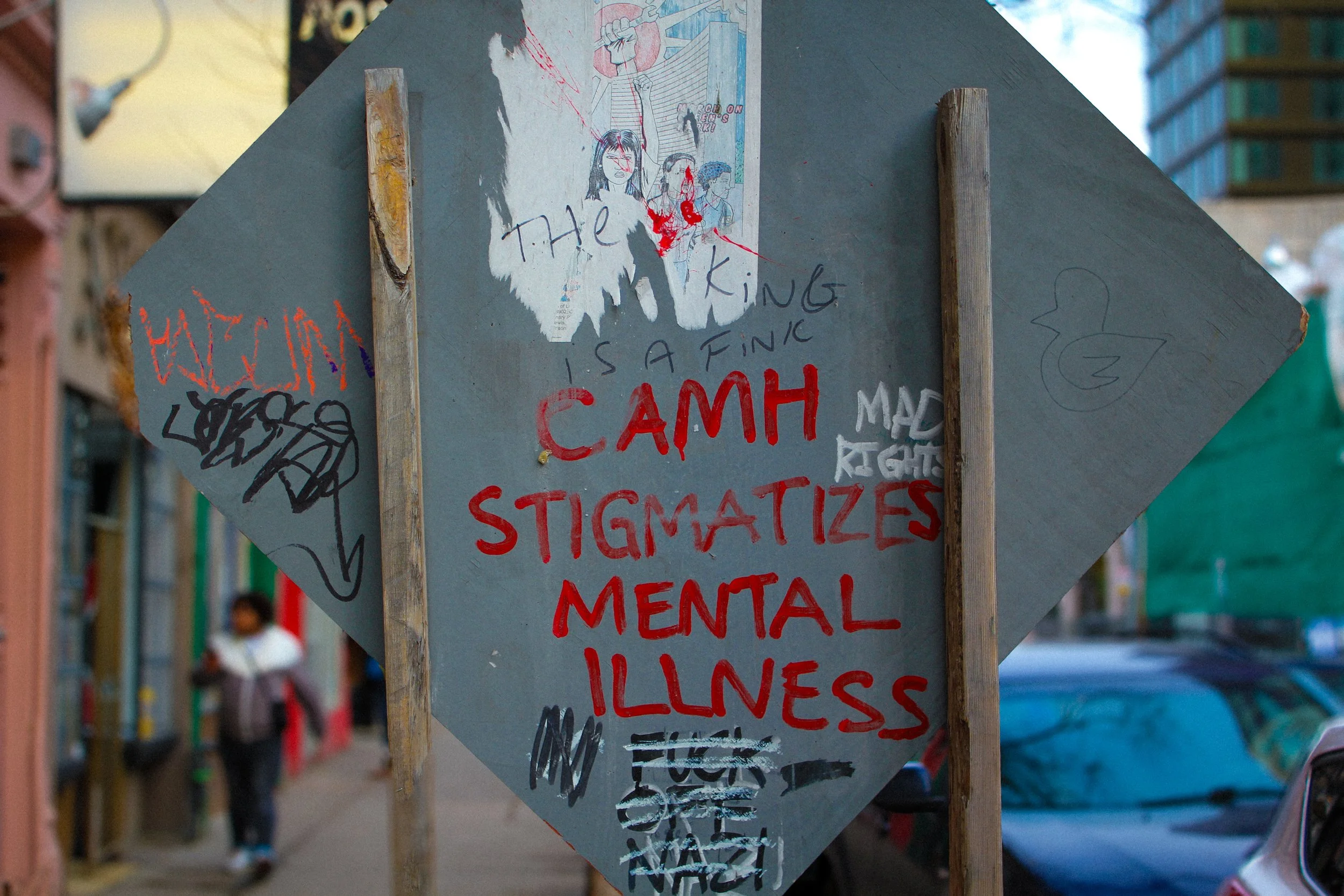
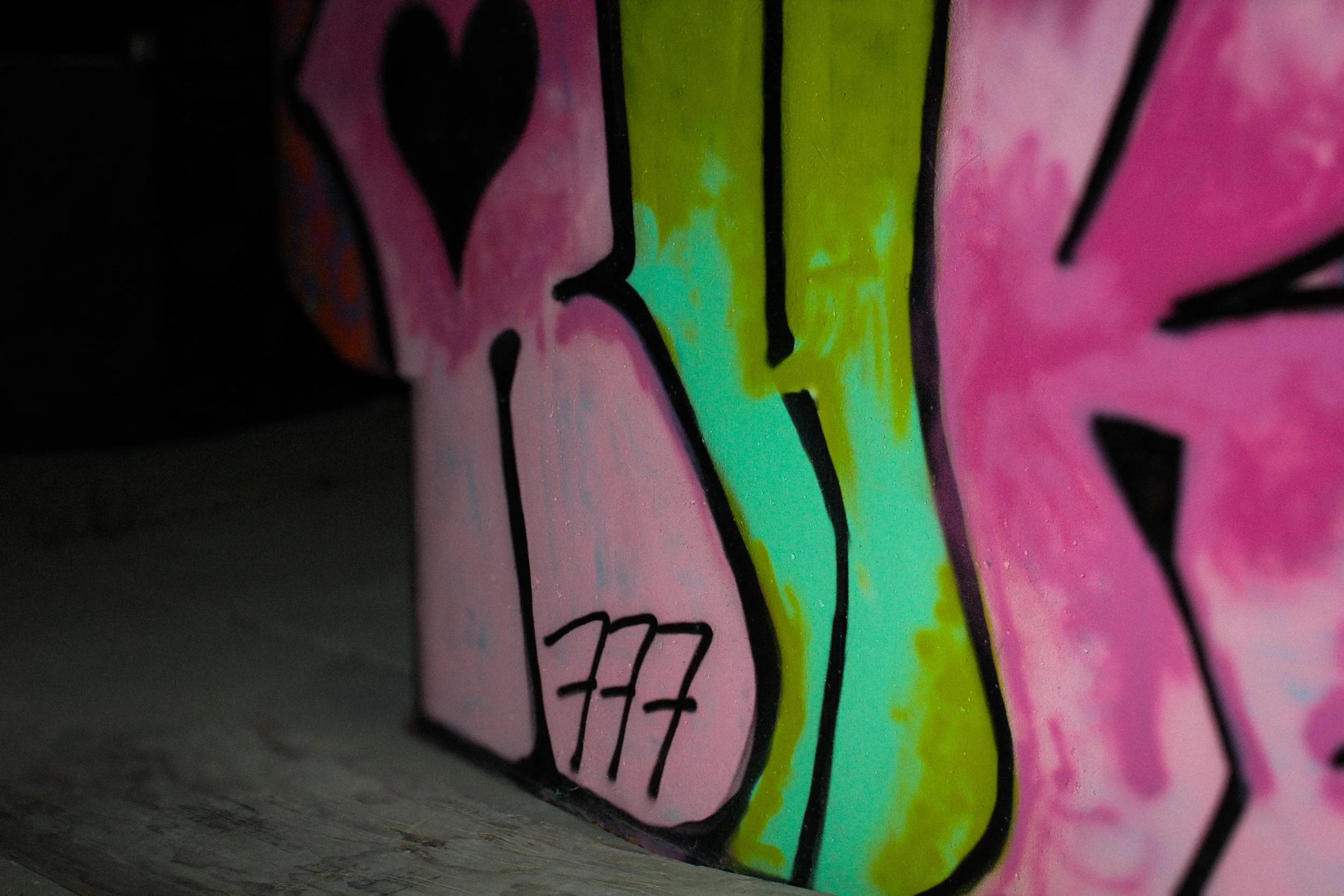

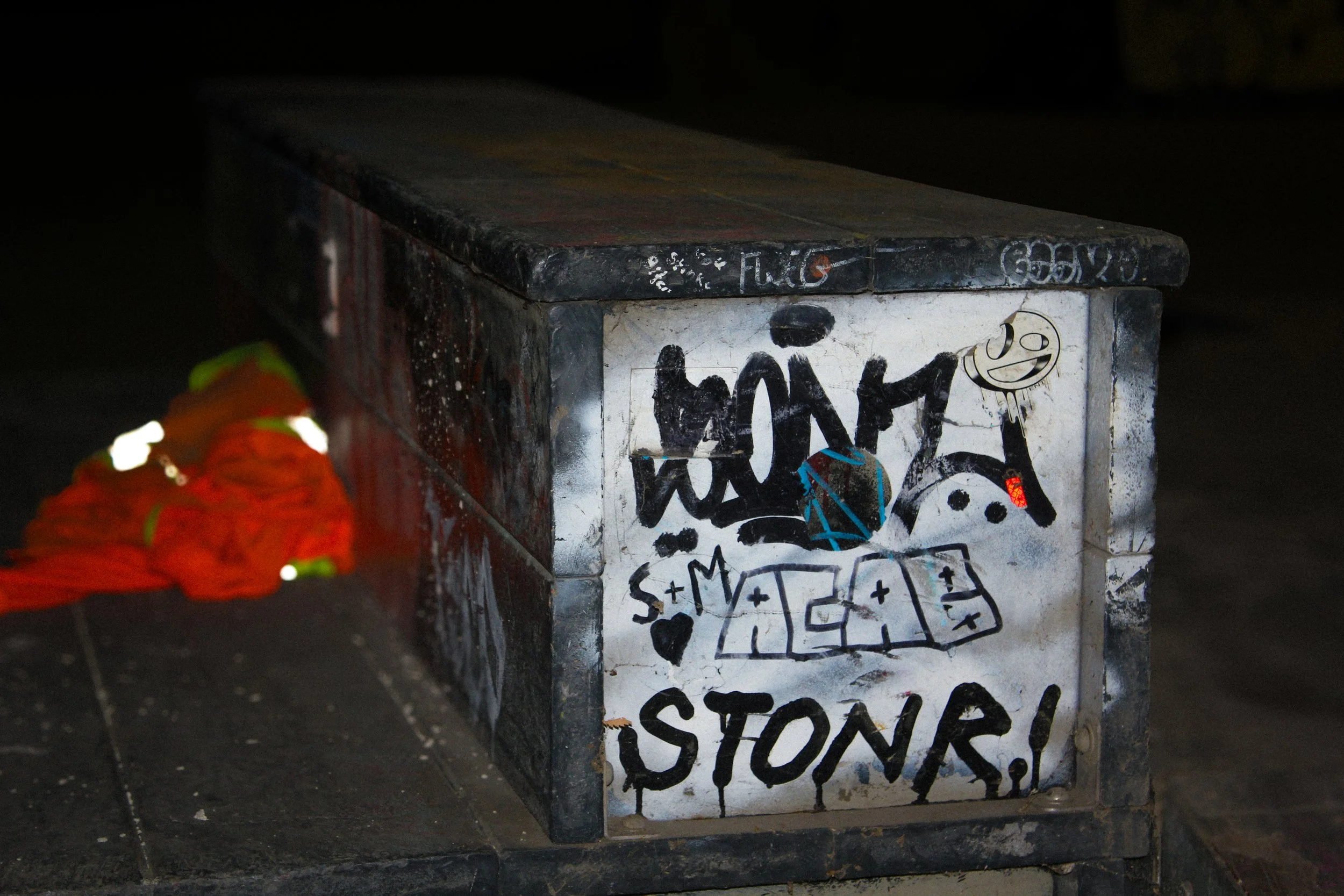
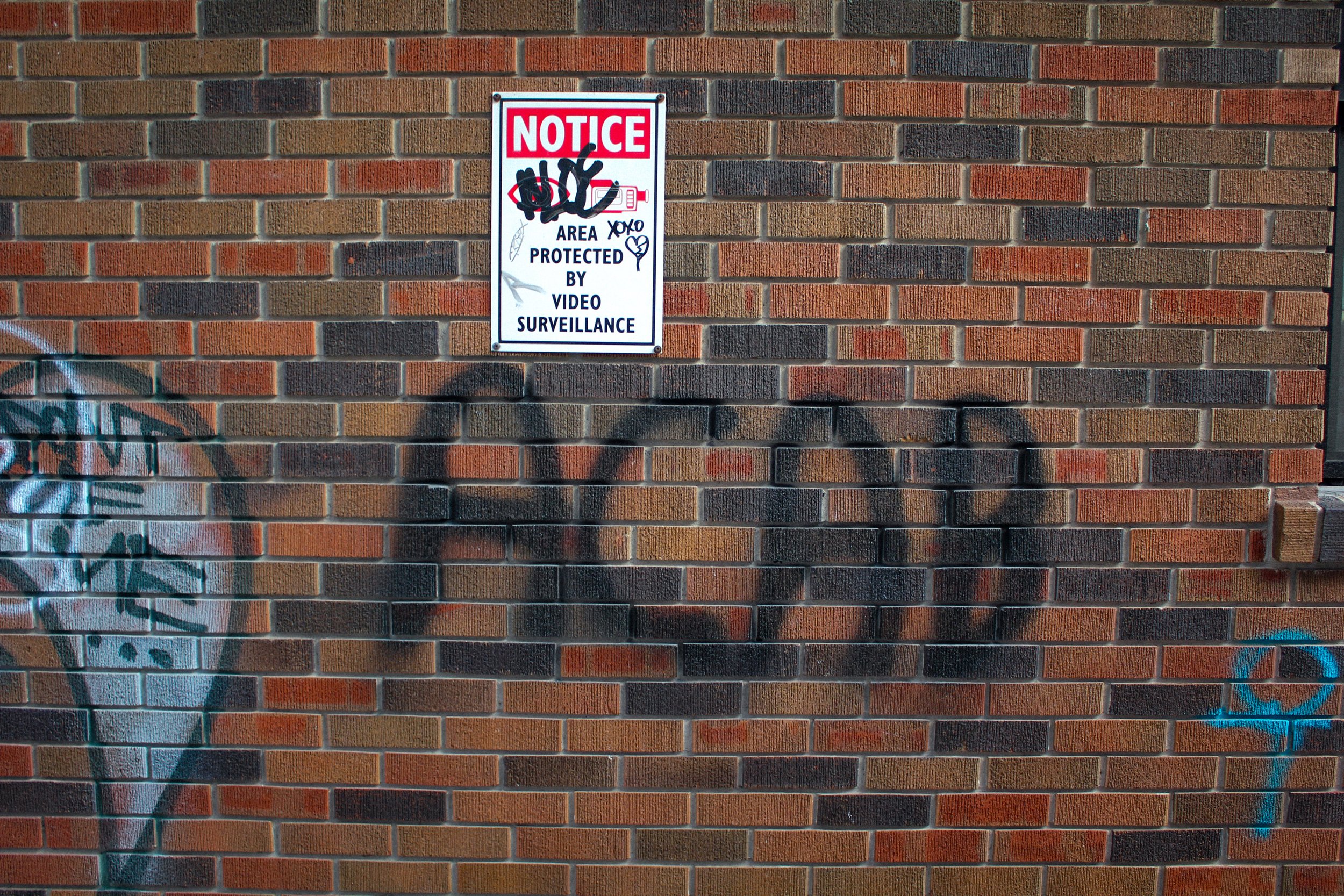
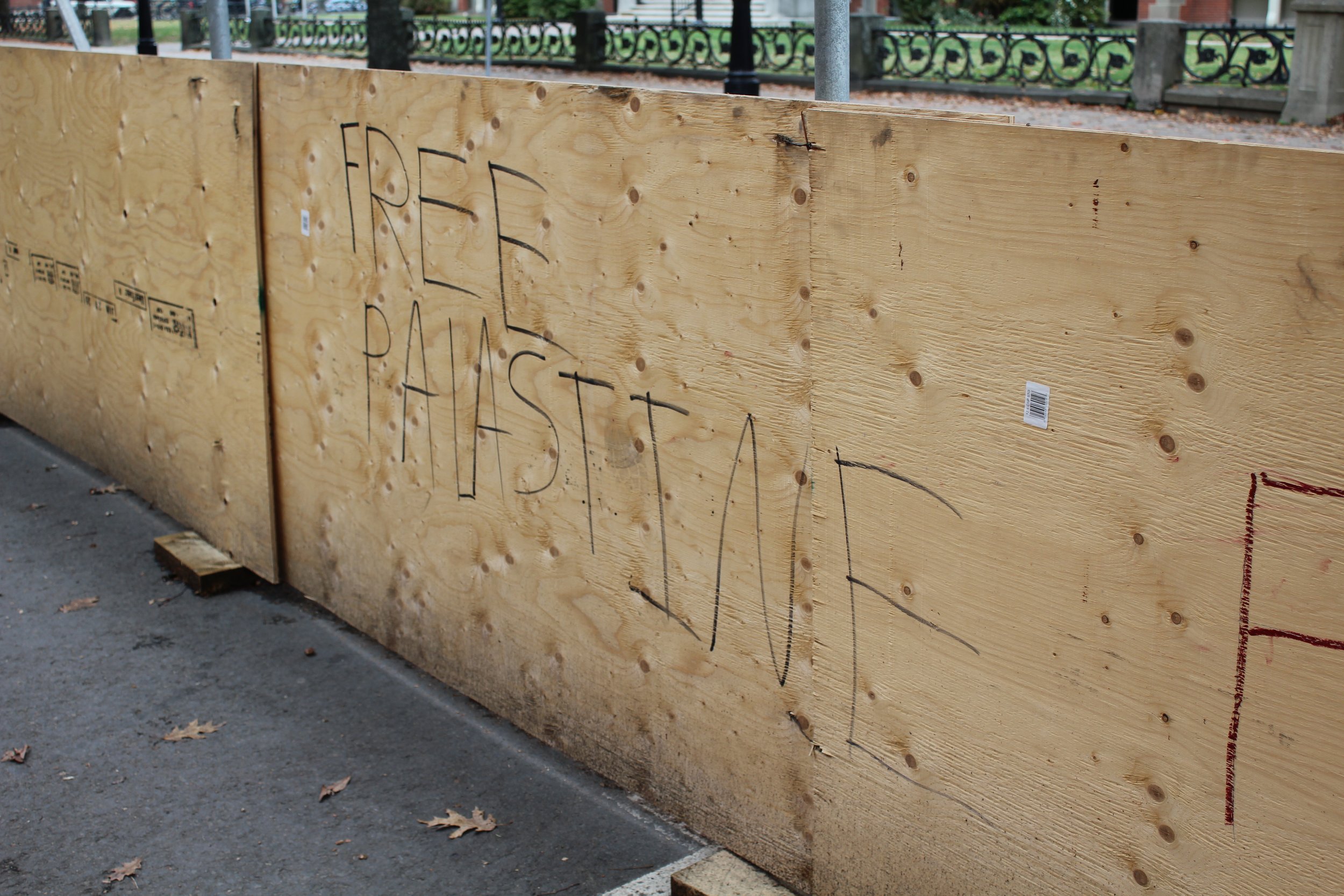
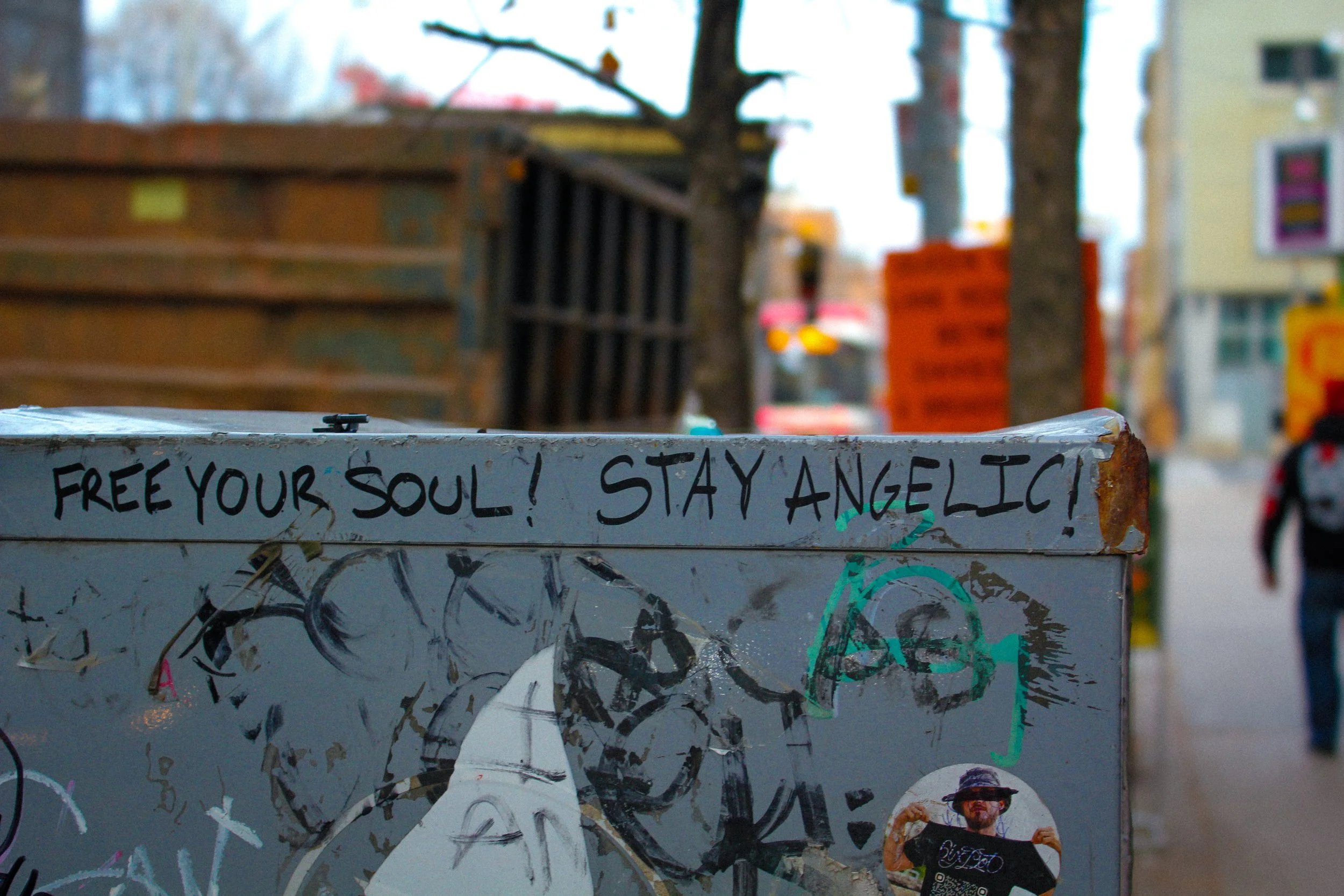
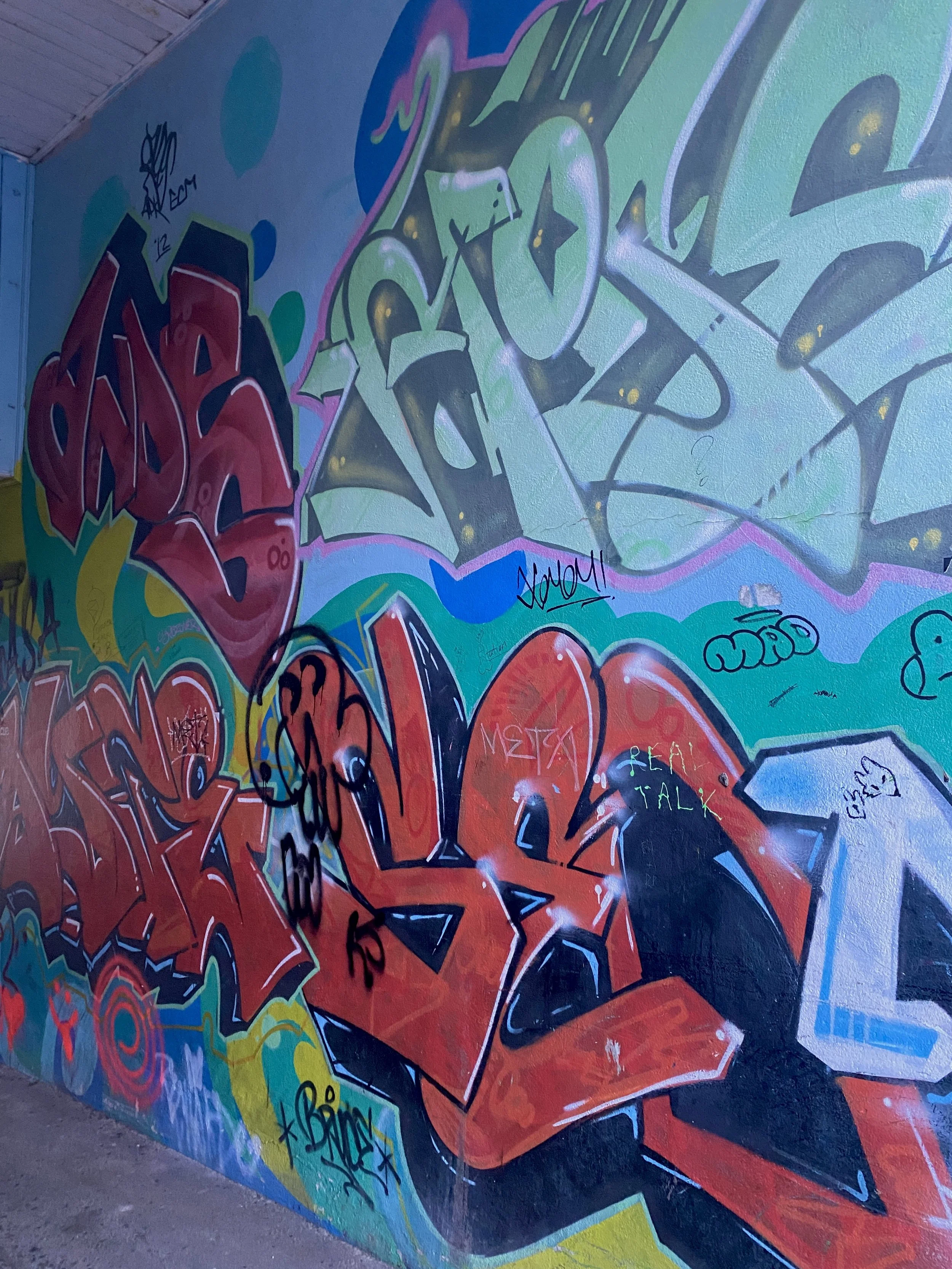
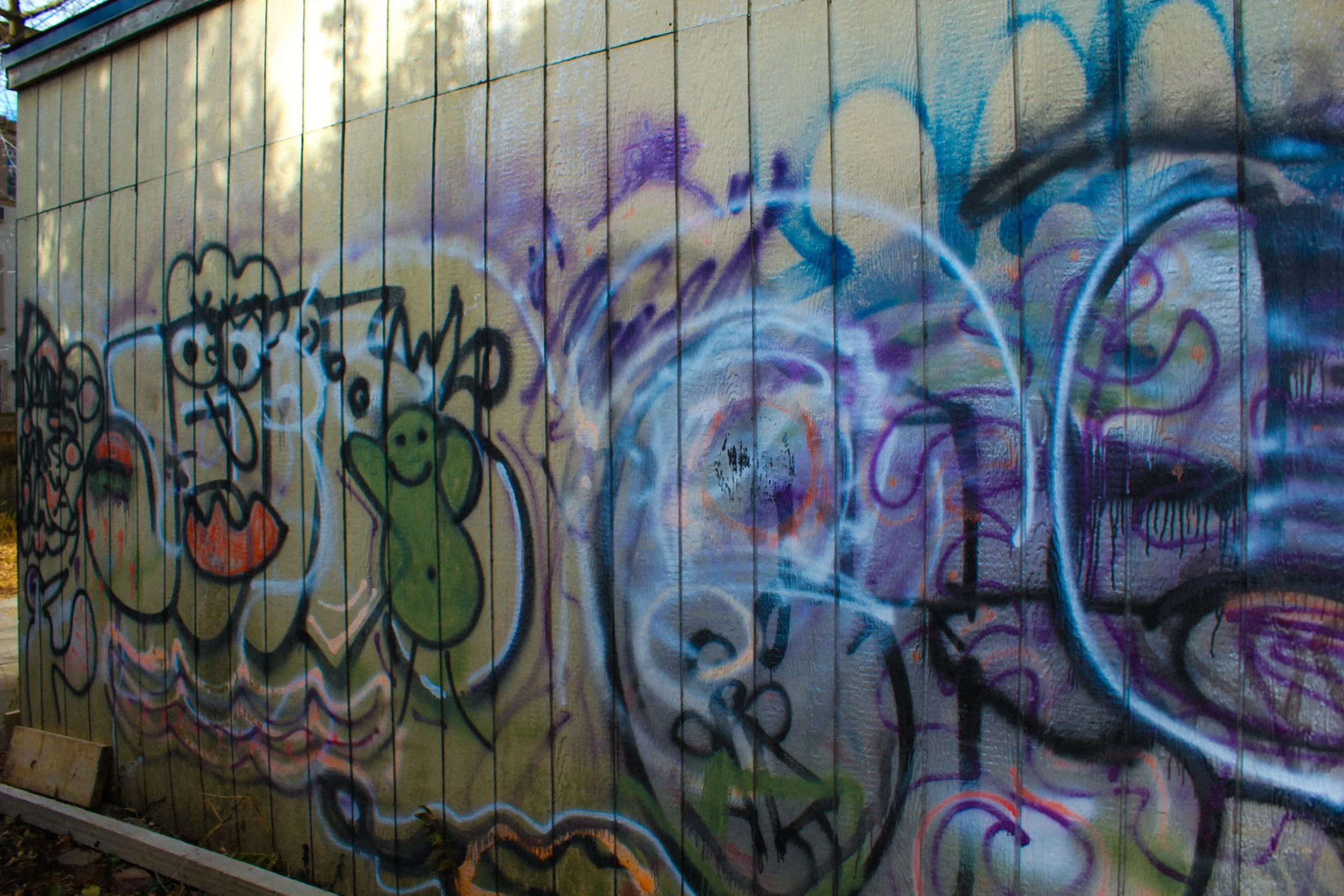
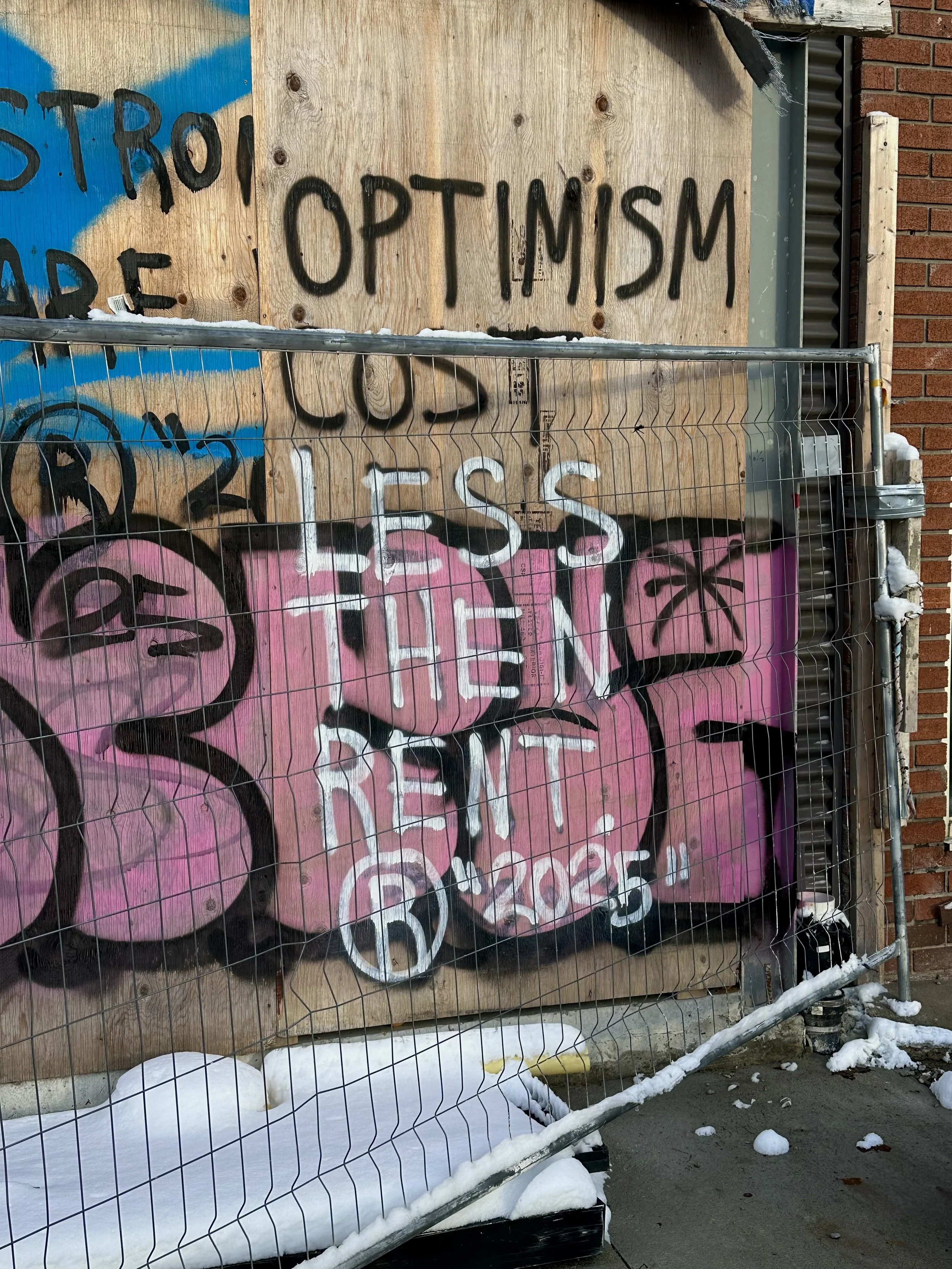
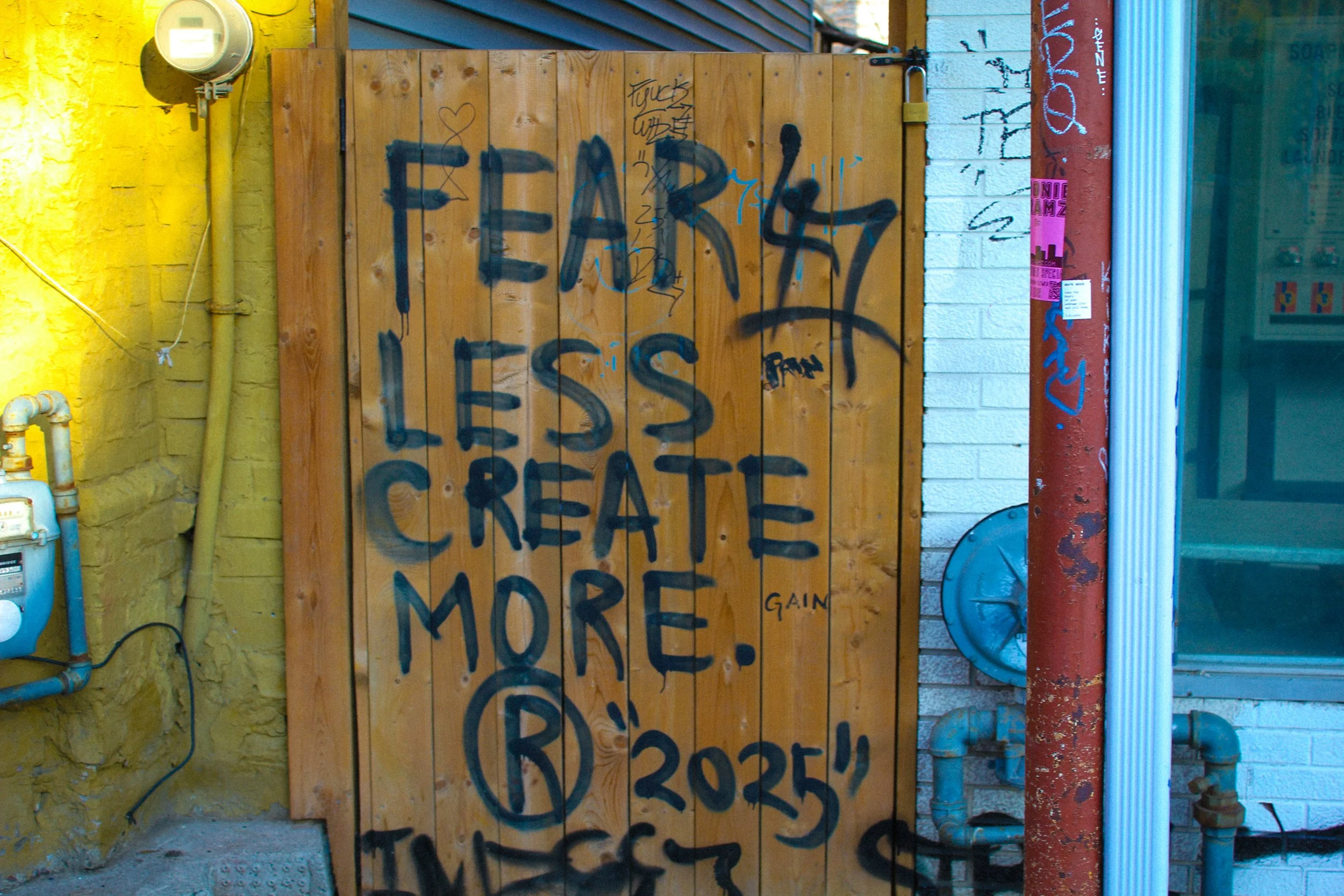
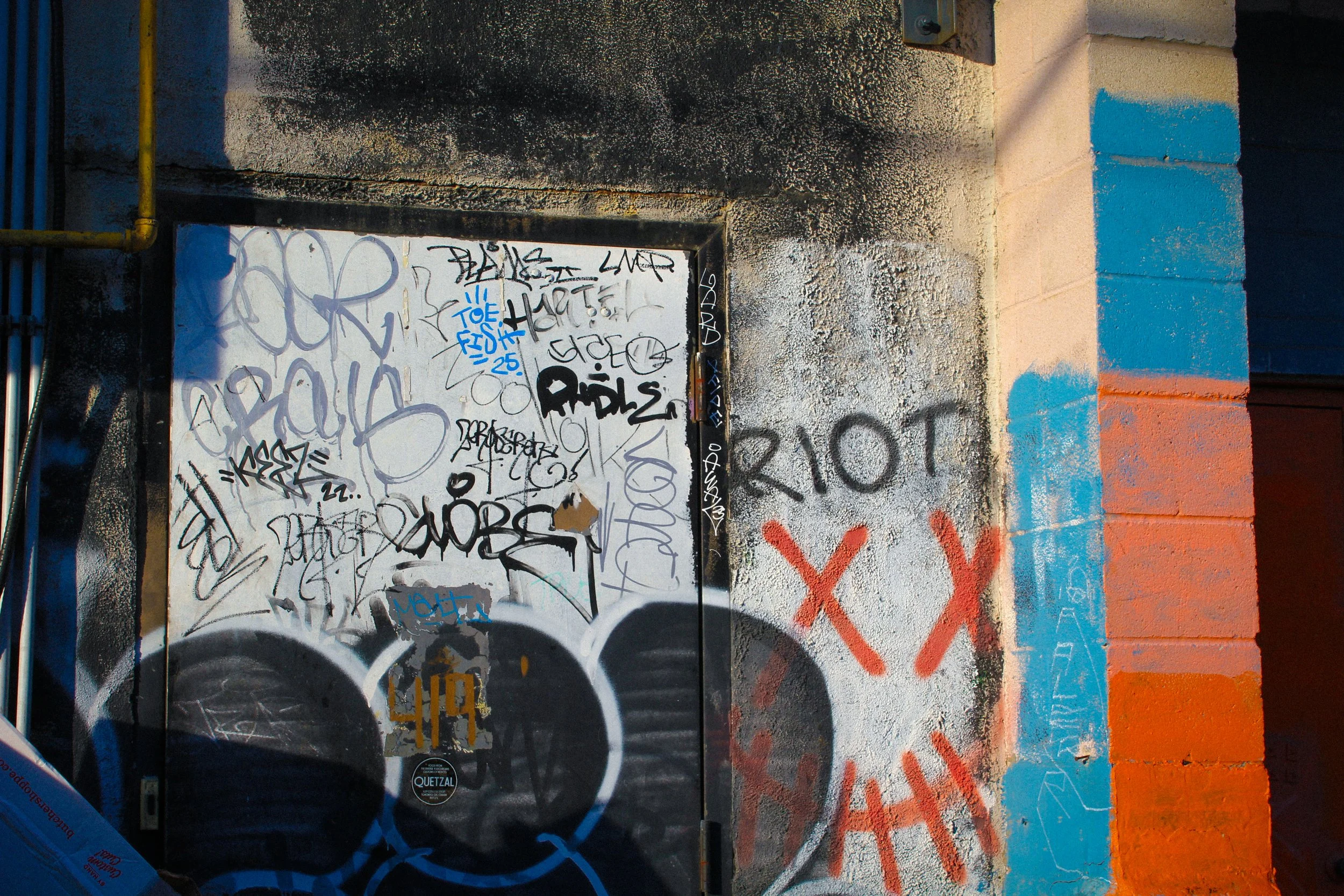
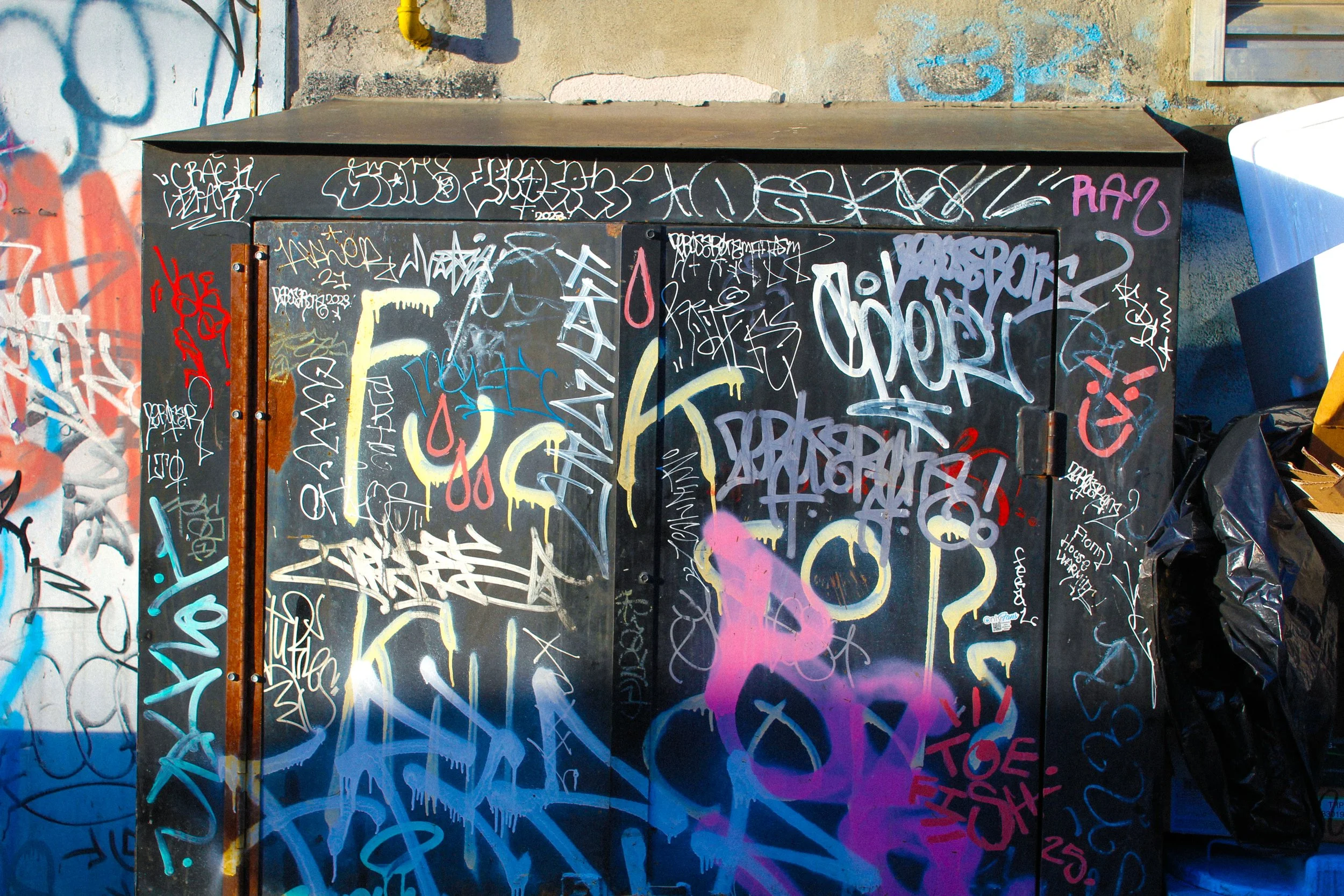
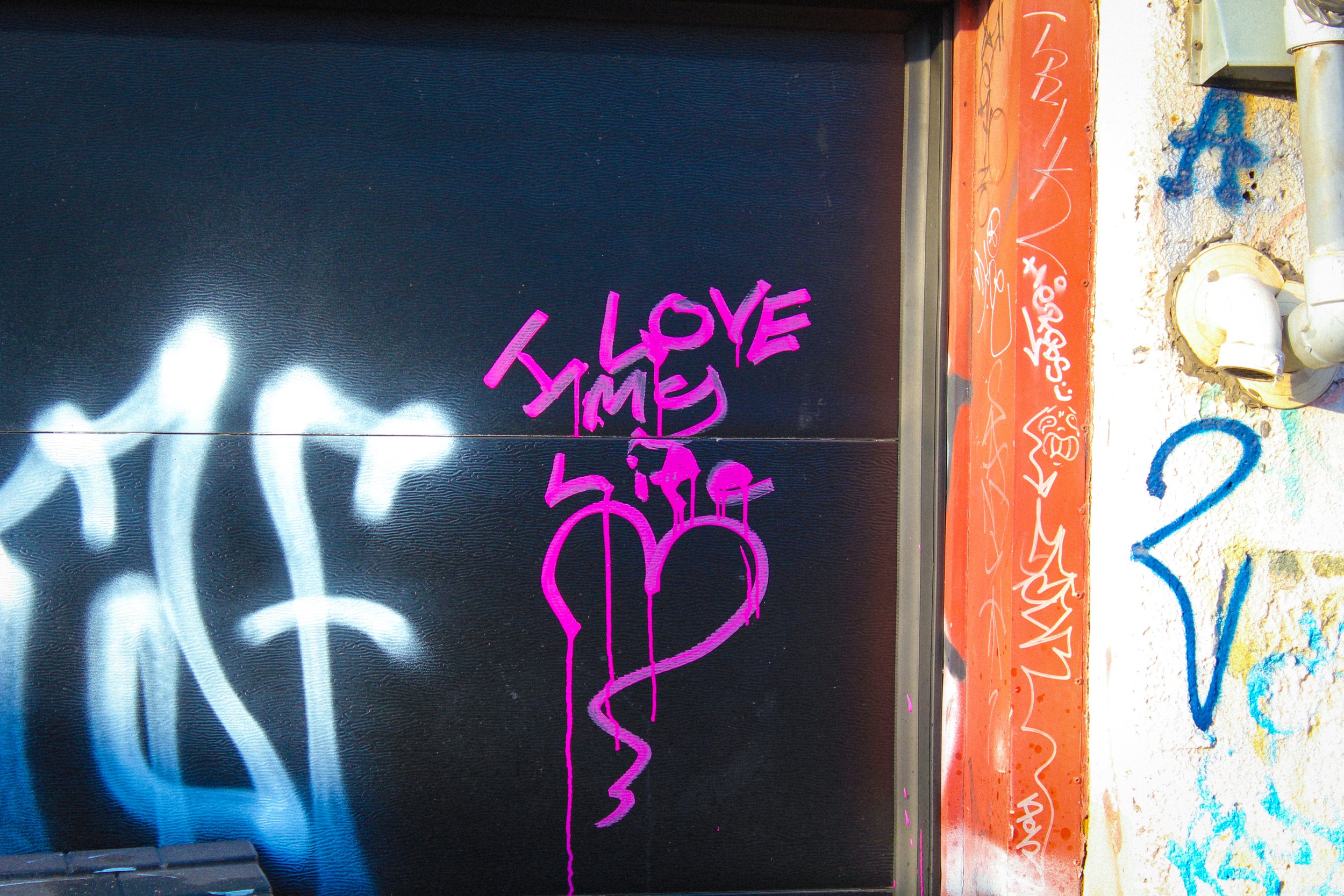
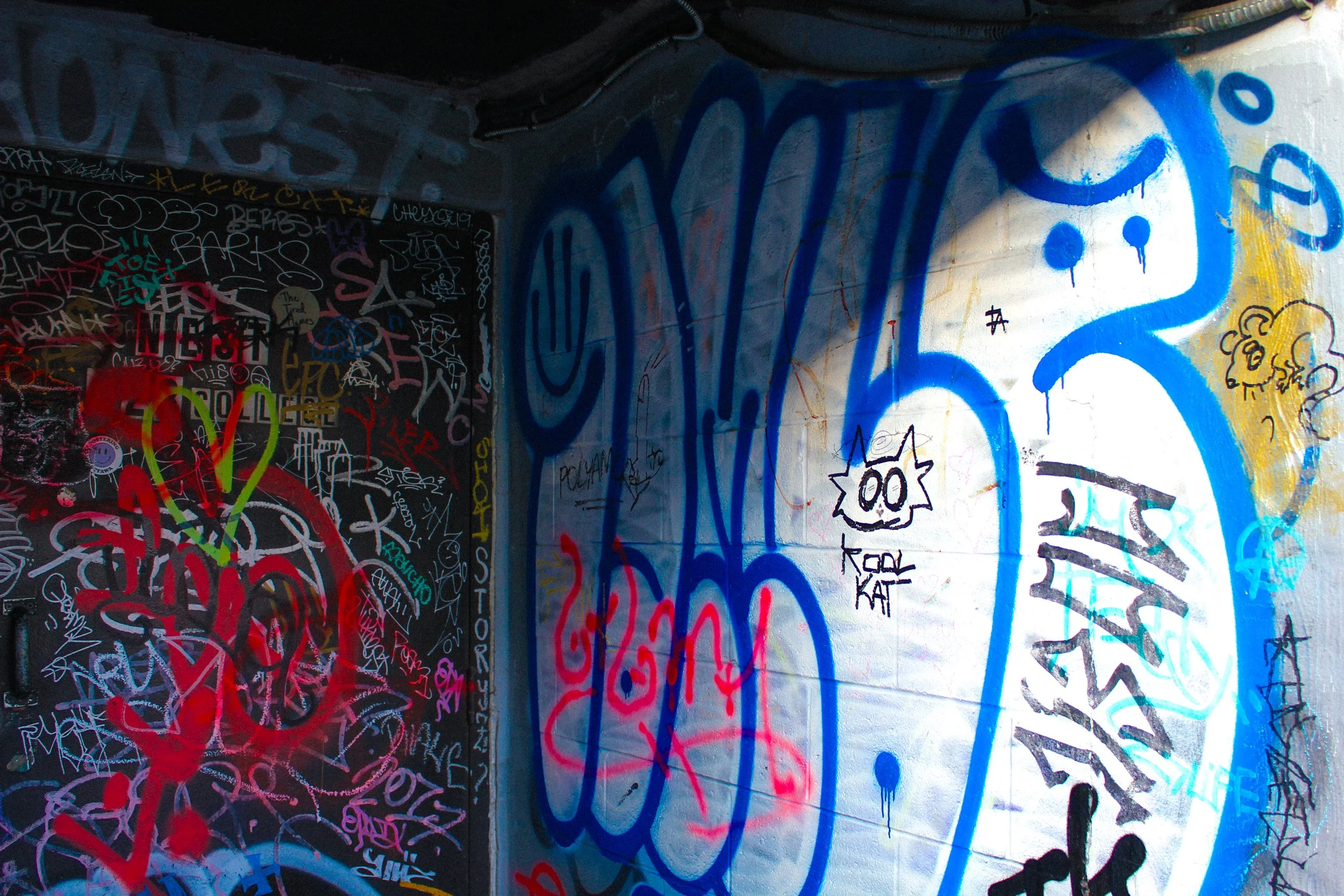
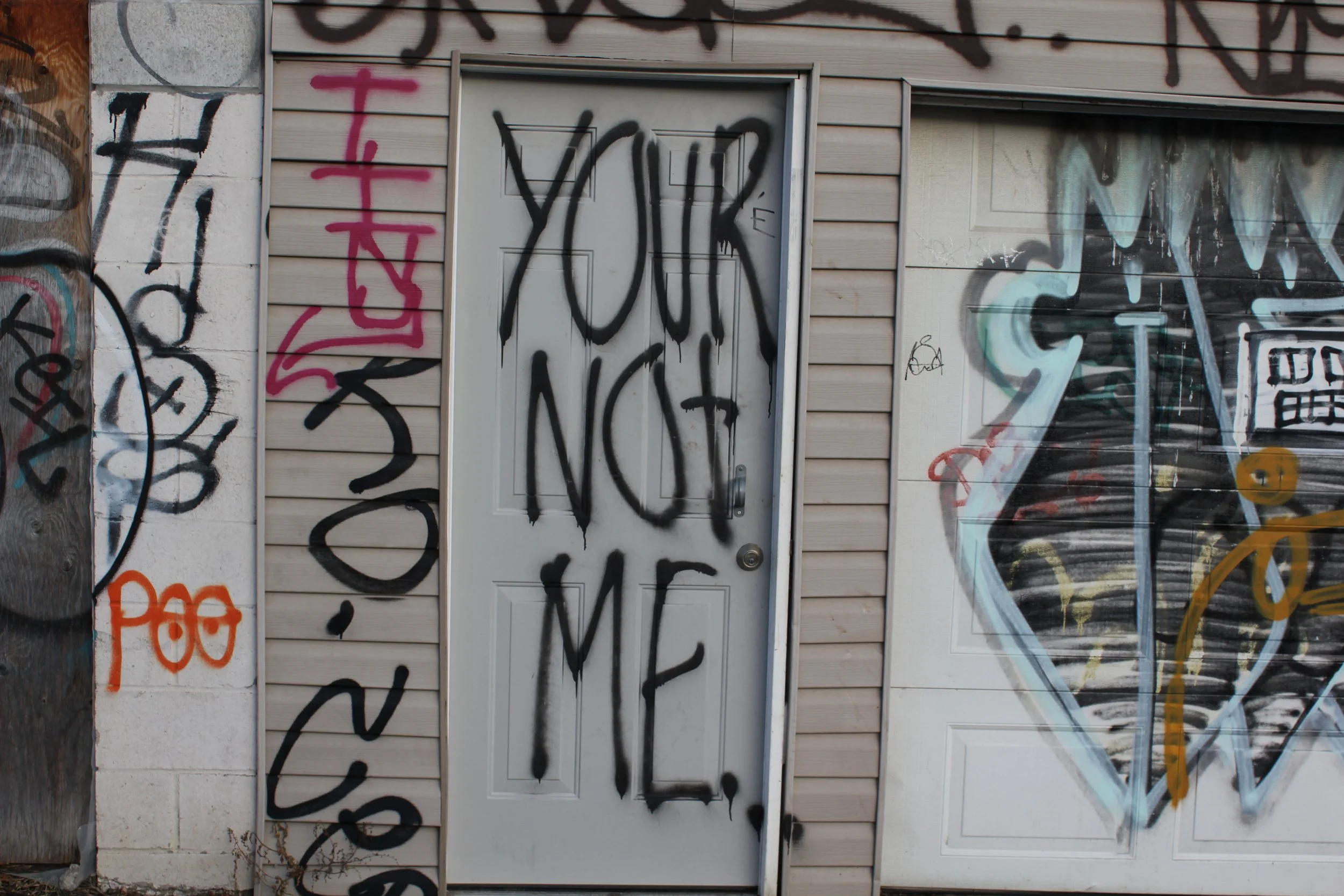
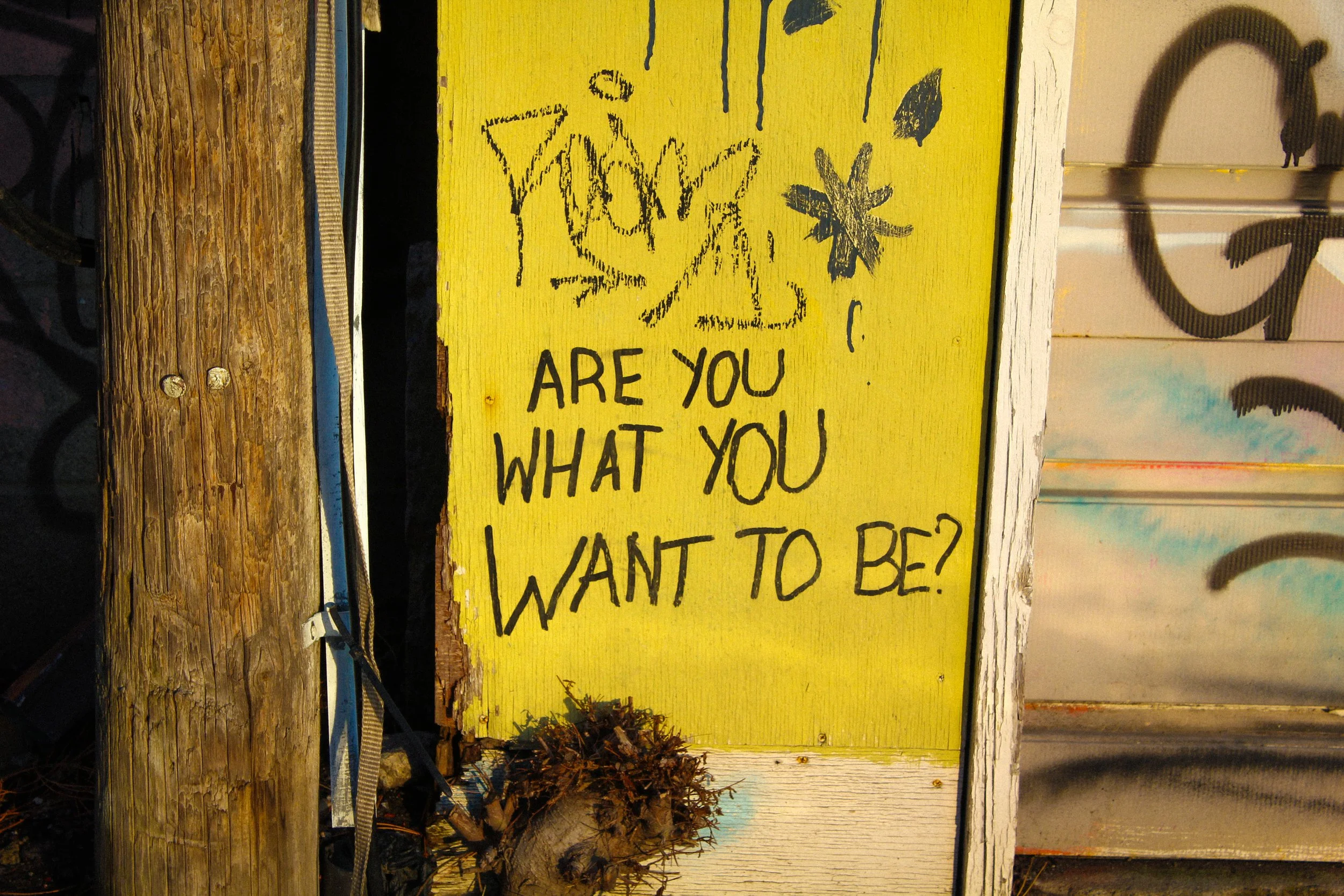
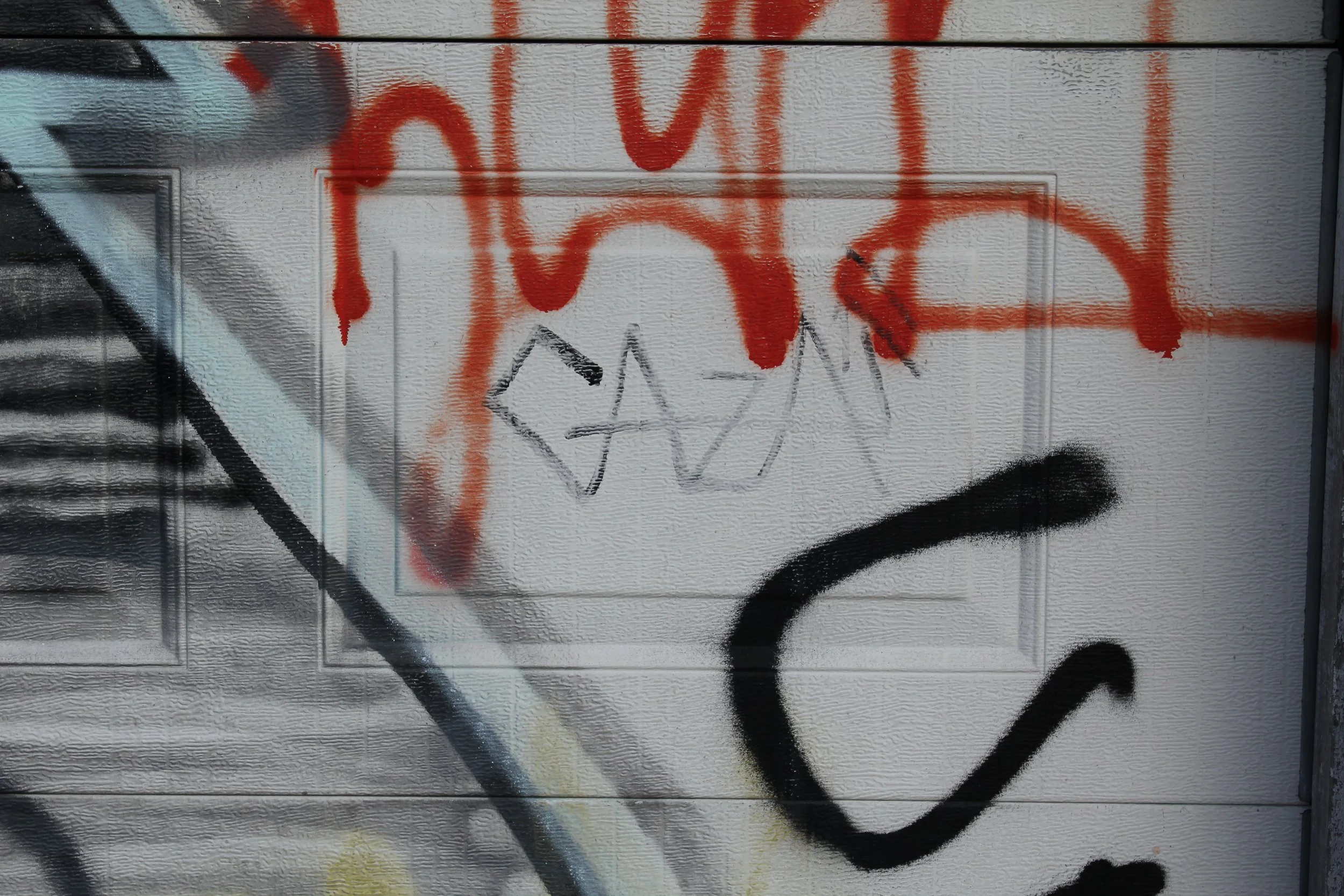
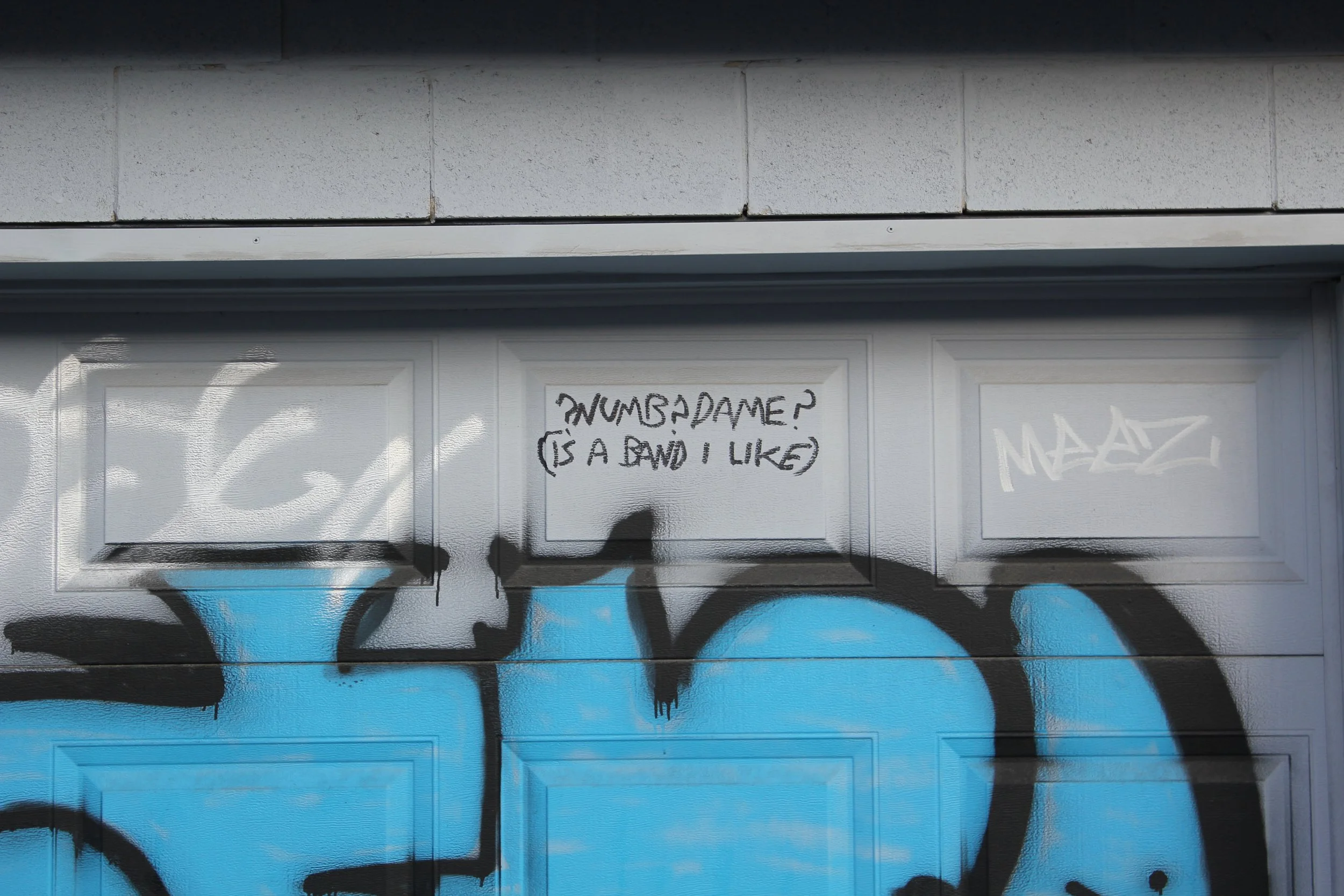
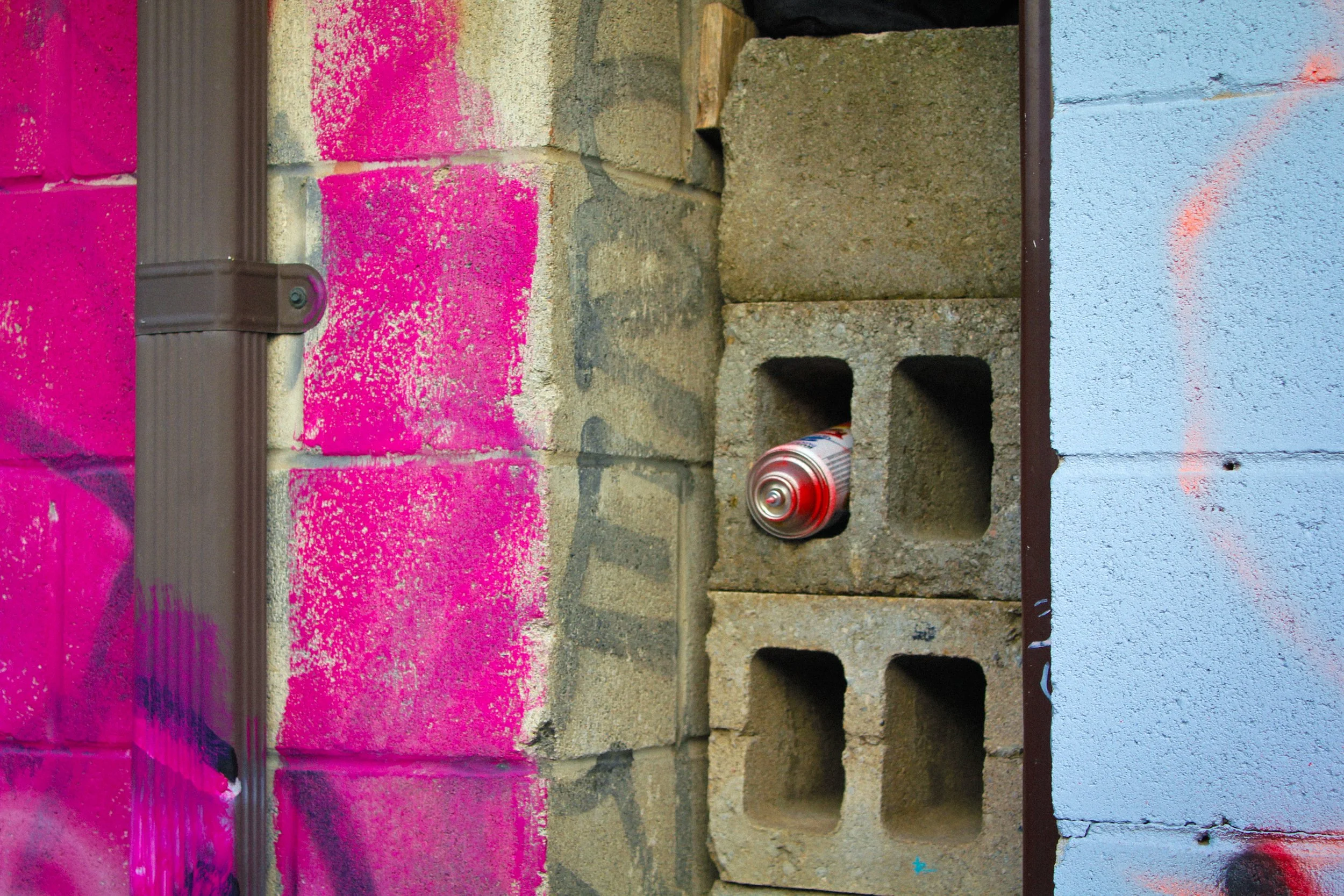
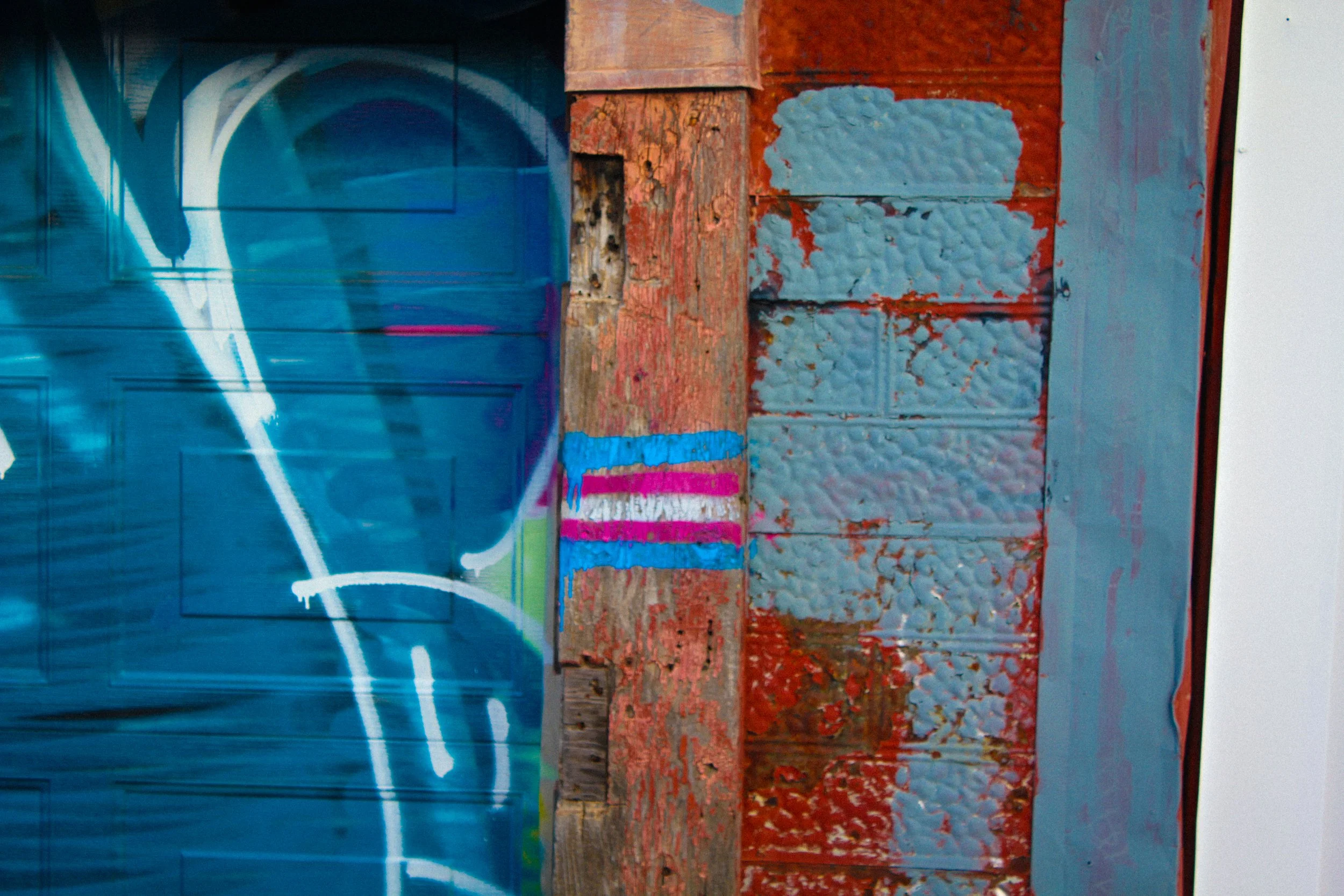
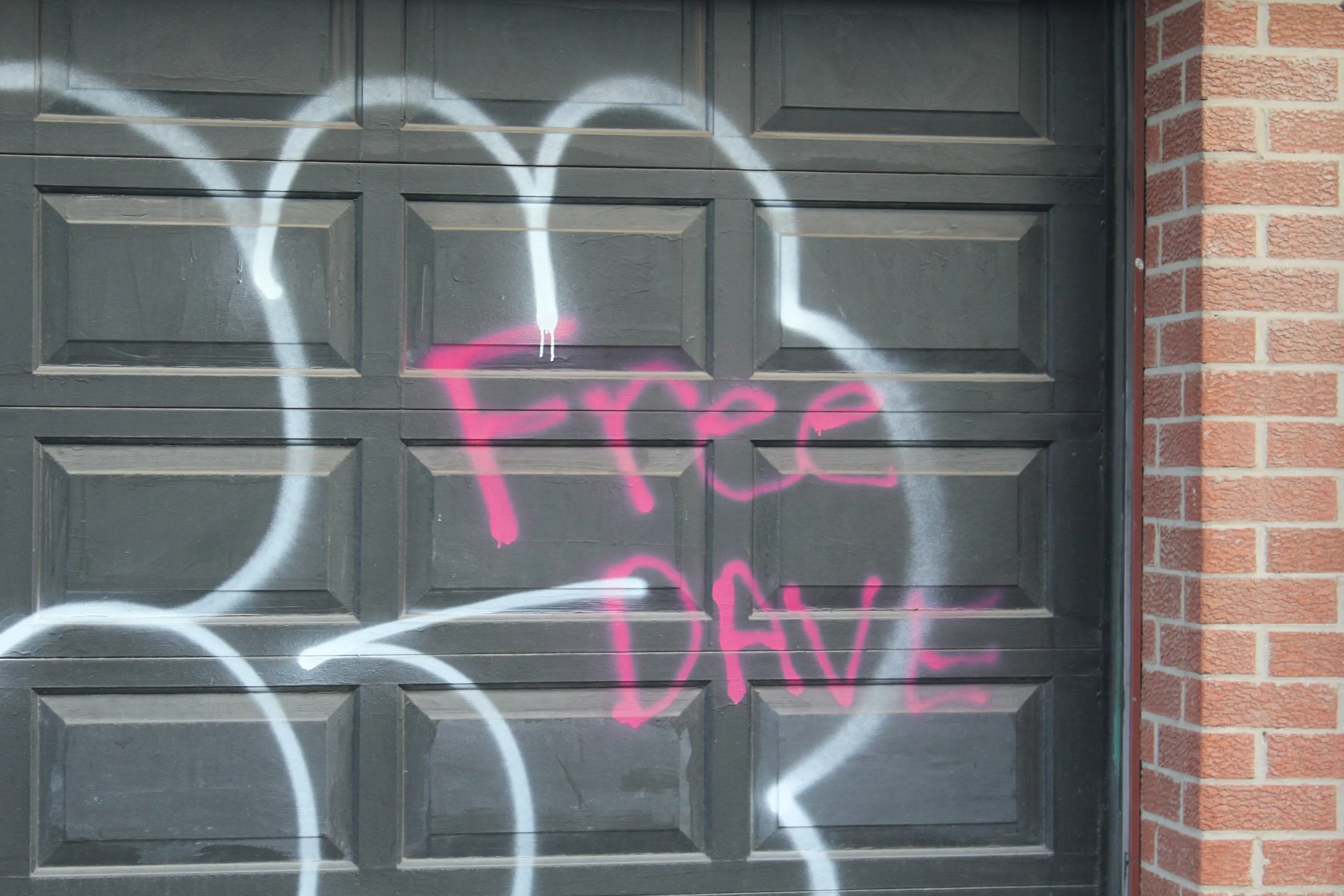
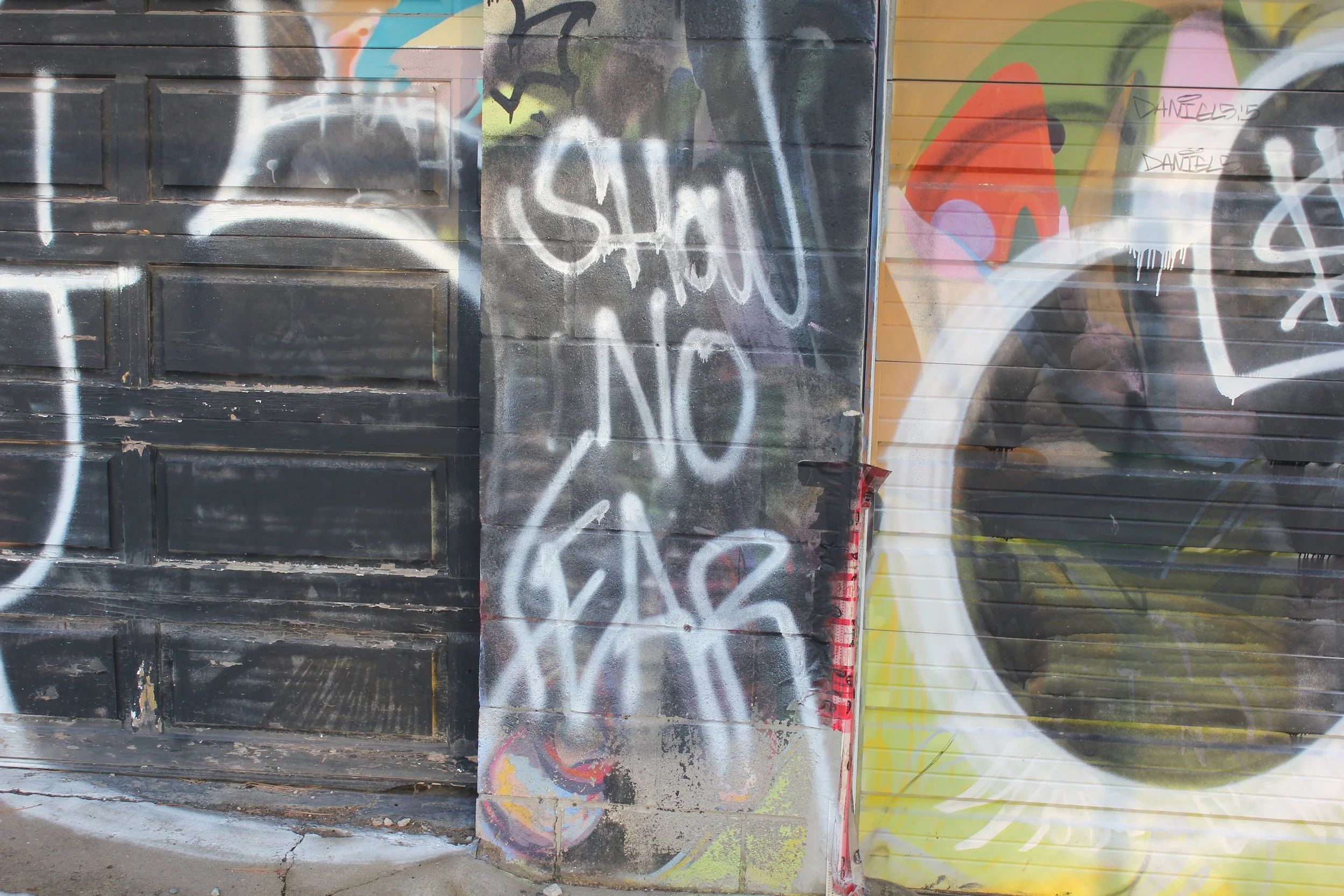
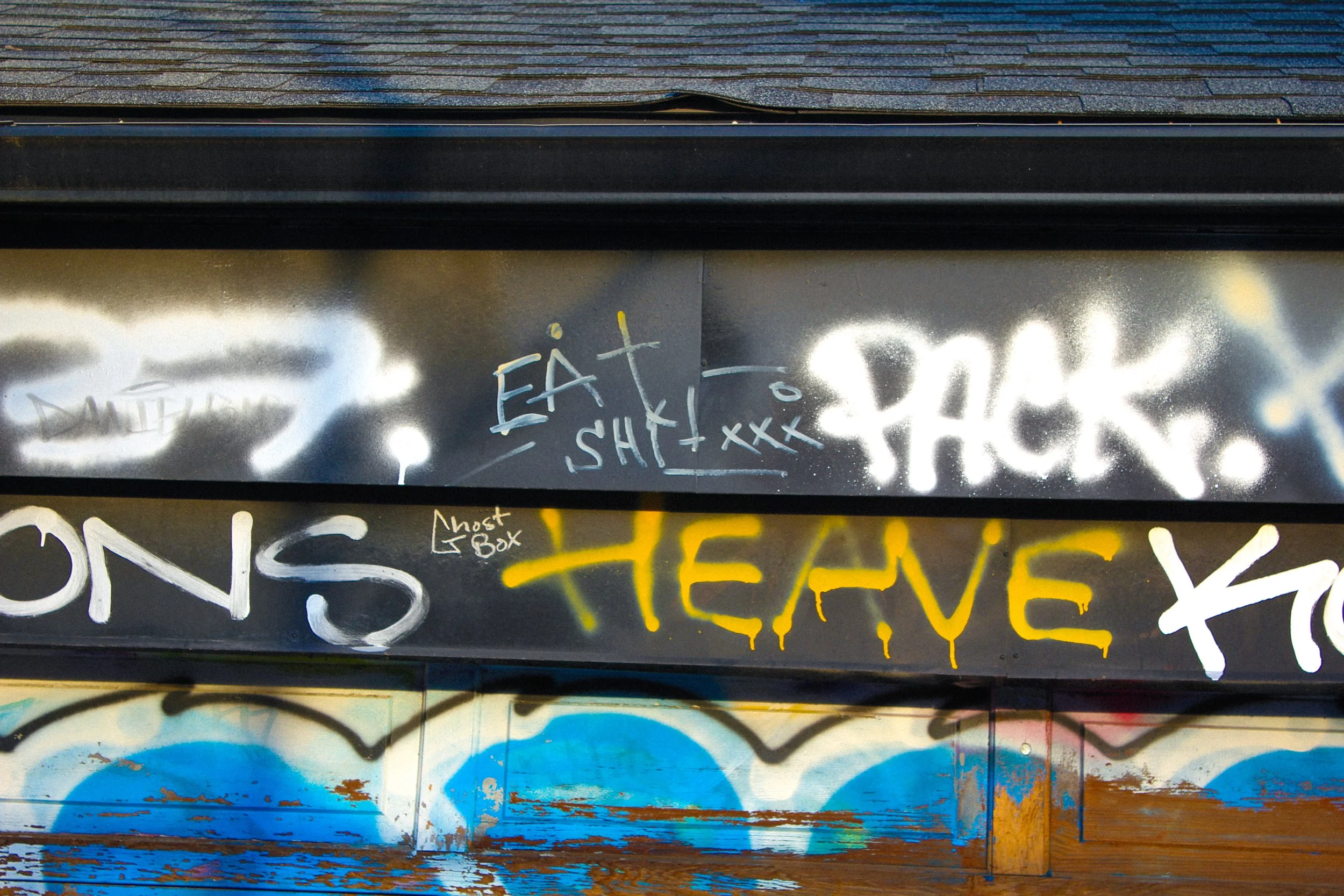
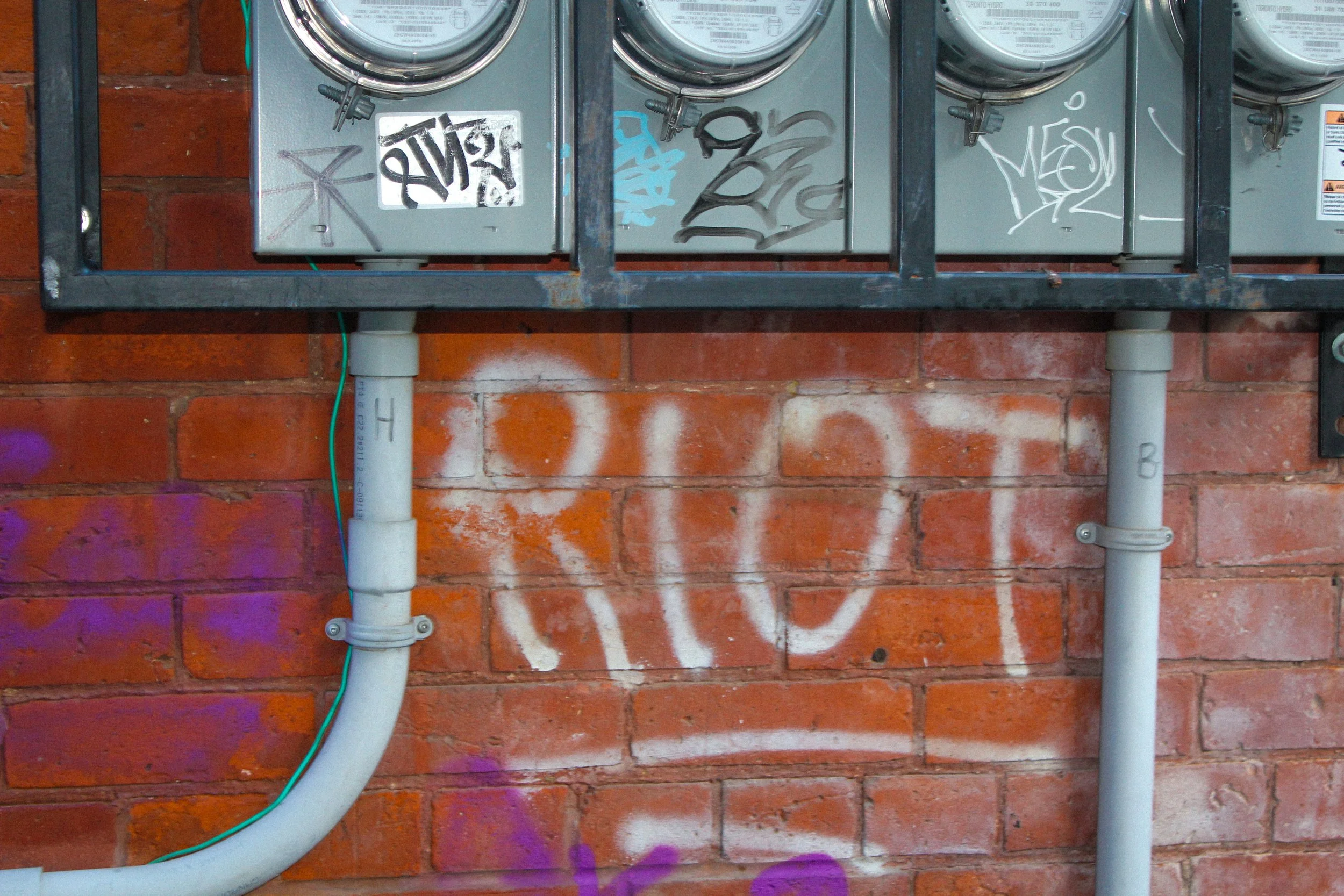
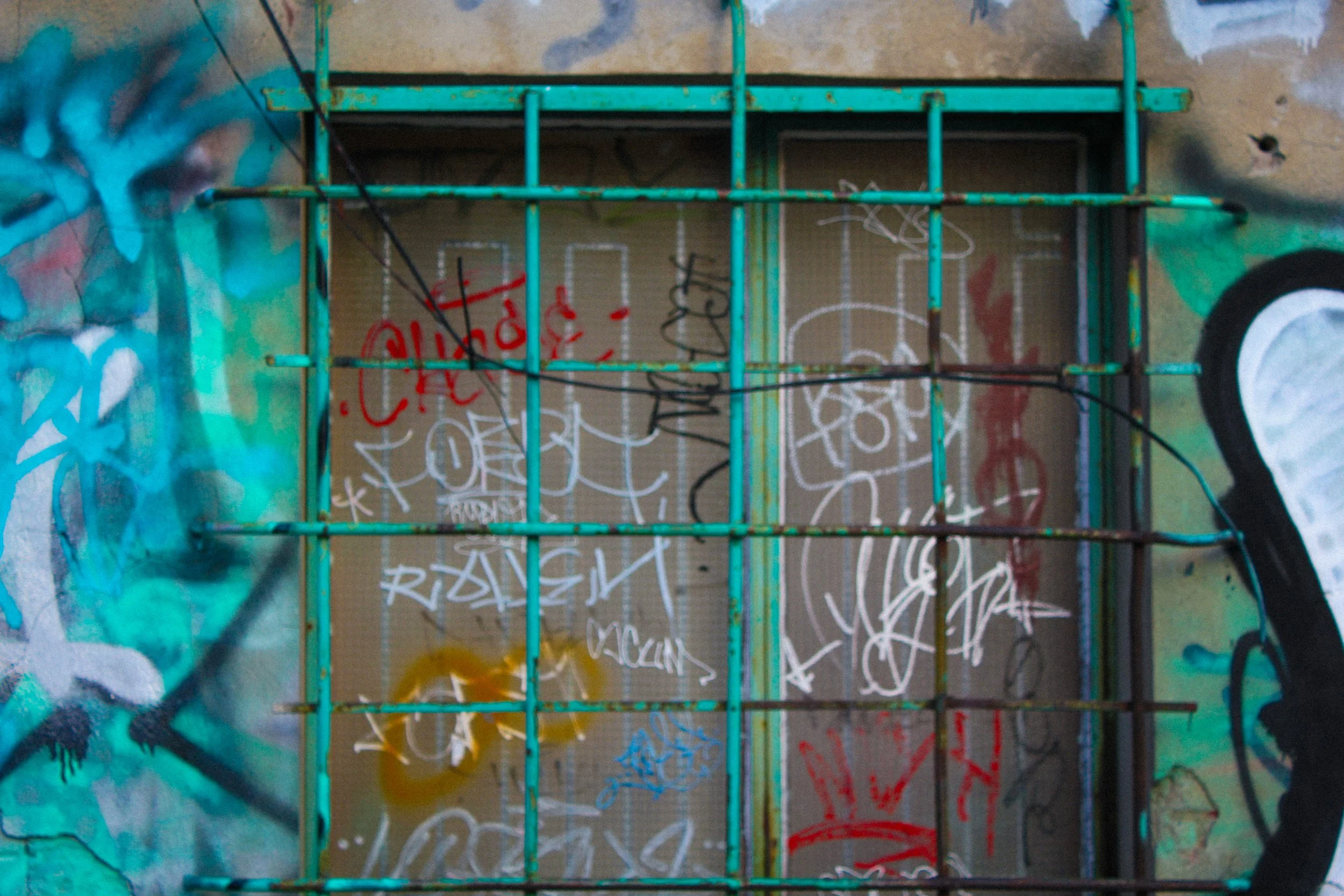
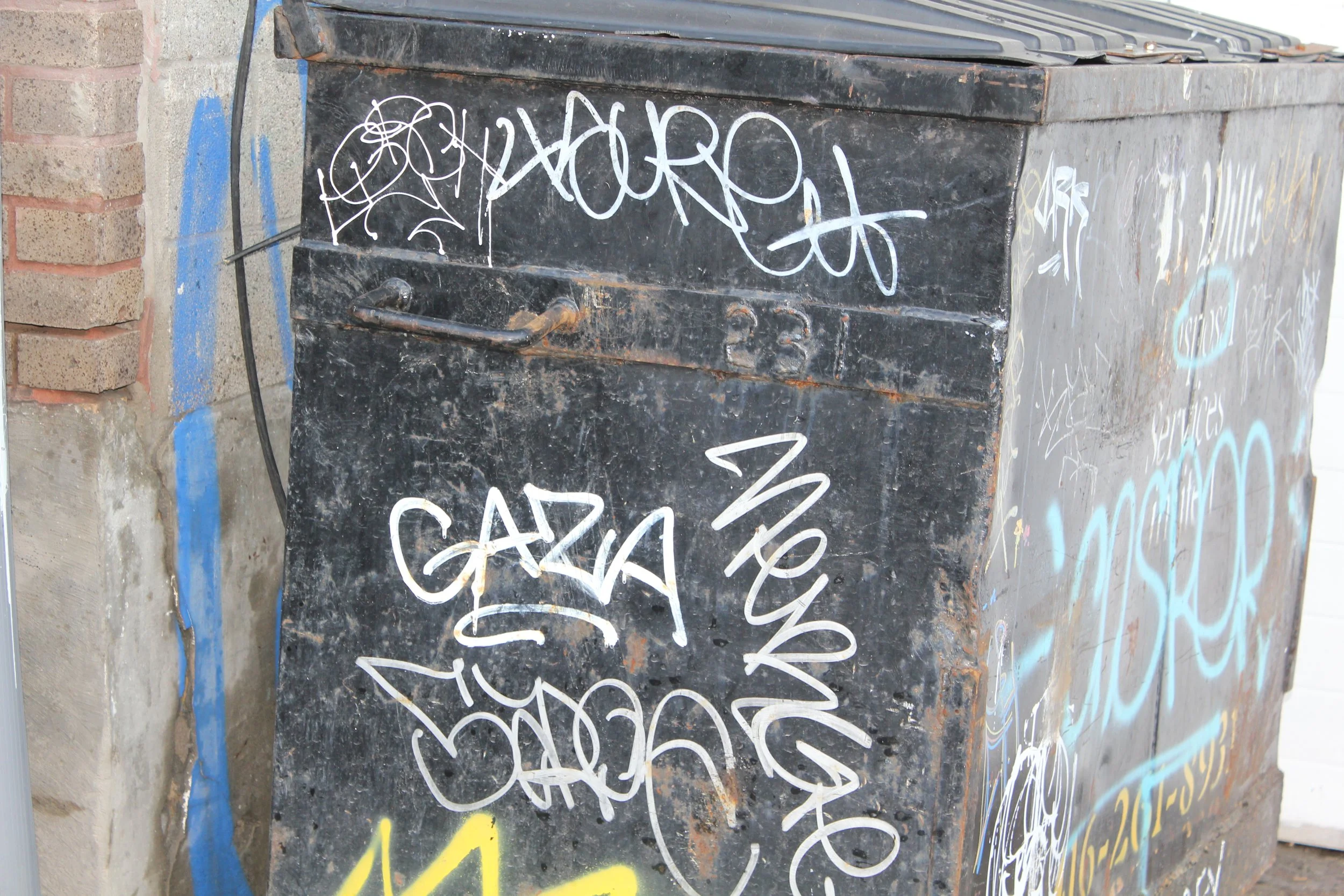
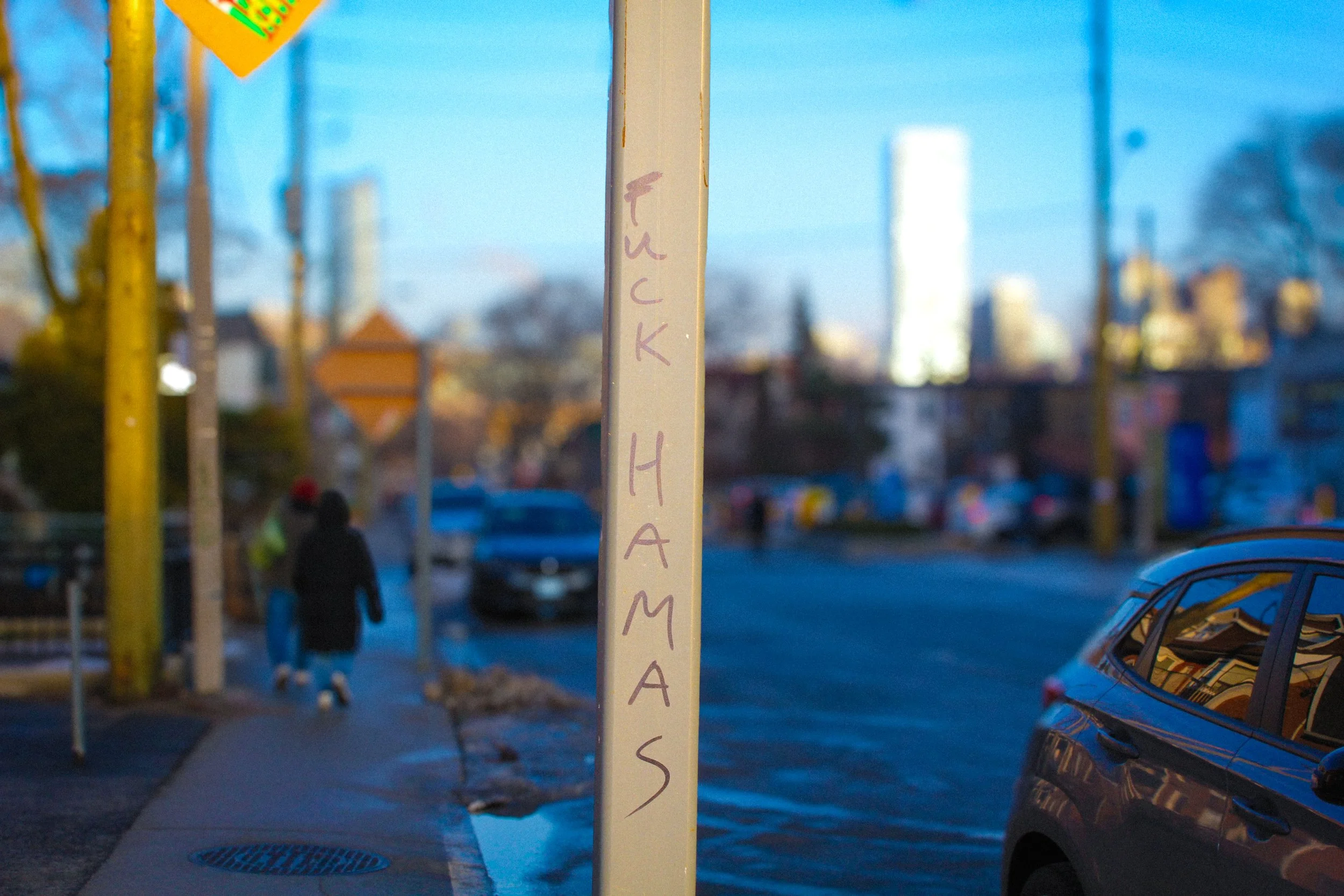
what do you take away from these photos? what do you notice about the writing, the material, your own reaction?
how can we use these forms of art activism to teach ourselves and the world more about compassion, empathy, rage, and change?
Project: The Graffiti Project
Role: Researcher, Photographer, Writer
Timeline: September 2025 - September 2026
Research Question: What happens when graffiti is approached as an ideological call or a form of public pedagogy?
Context: This connects to my MA thesis. Originally, I felt called to look at how people interpret protest, and protest signage. Especially given the widespread feelings of unrest and resistance that have been made significantly visible, I was interested in understanding how people could learn from these experiences; learning does not need to happen in a classroom. However, as I narrowed down my research topic, I kept landing back at graffiti. Graffiti is fascinating to me, specifically when you start to notice what is actually being written, not just the presence of the writing itself.
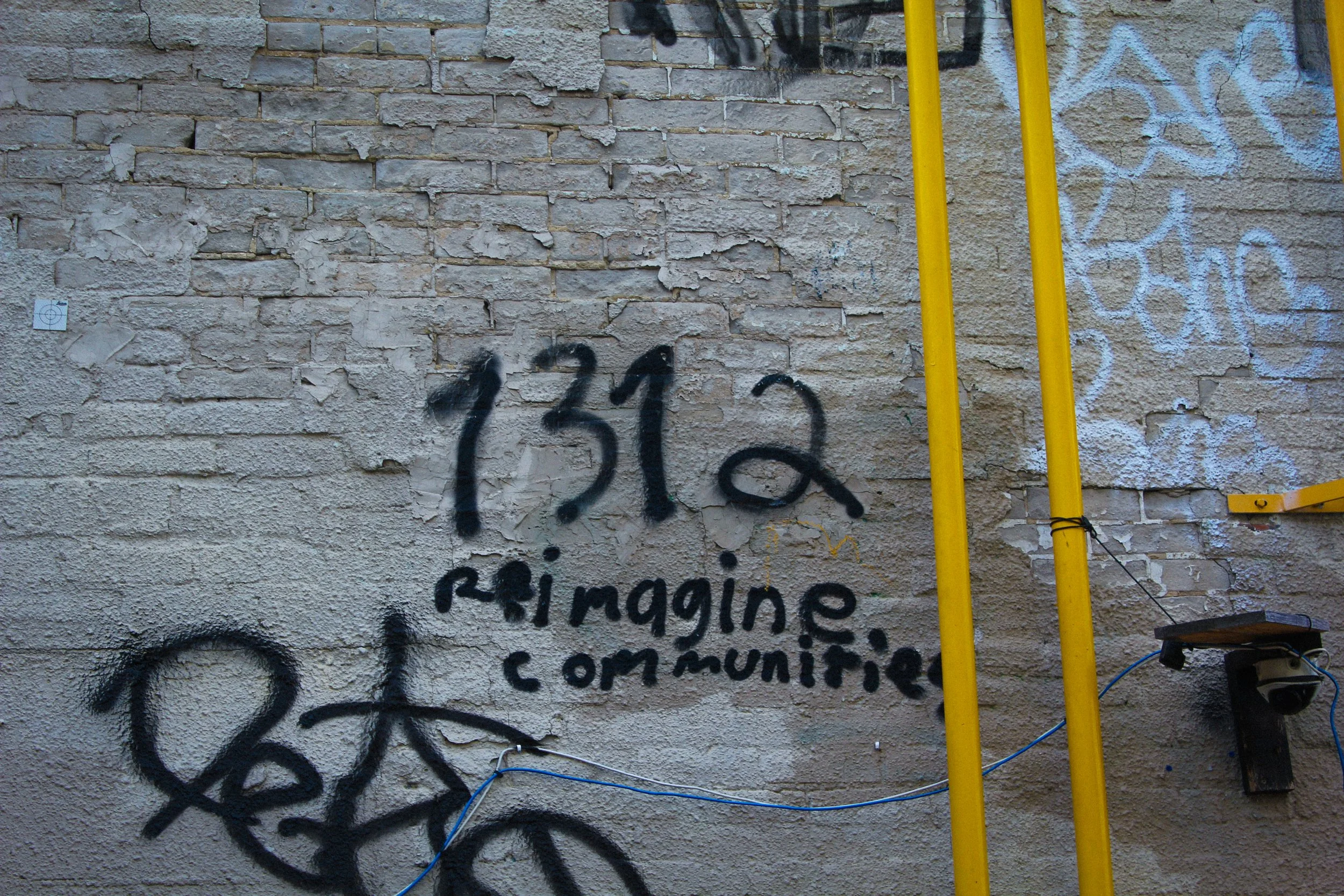
Image description: a photo of a grey brick wall with black spray paint that reads “1312 Reimagine Communities” alongside other black spray painted inscriptions.
ANALYSIS:
I did not use this specific photo in my thesis, but I use the same analytical framework here to suggest that this type of inscription offers a semiotic and affective response. What this means is that the viewer is invited to interact with this (or not), and while doing so, may feel something bodily toward it. It might invoke discomfort, confusion, solidarity, anger, or a mixture of many other feelings. In my thesis, I explore public pedagogy and how affective response fits into that.
By public pedagogy, I am asking: how does learning occur outside of formal instruction and institutions? Pedagogy is a fancy word for learning and teaching, more specifically the art of teaching. Education to the Western system includes a set curriculum and a desired, predetermined outcome. For me, I wonder what happens when teaching and learning do not abide by these rules. The streets of Toronto can become a classroom, and anonymous graffiti artists become teachers, whether intentional or not.
What seems to be a simple call to defund the police, becomes a call of futurity for a community that does not rely on punishment and community care. 1312 is a popular phrase among the movement to defund the police, the numbers correspond to ACAB, which means All Cops Are Bastards. This phrasing is a slogan that represents a much deeper movement that demands political and procedural reform, defunding the police to reallocate funding to social services, and claims an understanding of modern police systems as rooted in racism, colonialism, and violence.
This piece of graffiti is interesting to me in many ways. The first is the nod of irony present wherein it is ‘illegal’ to spray paint and tag a public or private building like this, but the tag itself is calling attention to those politics. By asking or simply stating that we must ‘reimagine communities”, as the viewer, I began to ask myself what this would look like. Of course, I went into the environment to seek out graffiti, but a simple passerby may still be drawn to similar questions, even opposite ones, depending on their affective response.
All of this to say; I am less interested in the outcome of the response, or how different people would experience this affectively or not at all. I am more interested in the connection between a graffiti piece evoking a response in the first place, and how this contributes to public pedagogies. If we can unlearn what it means to be a student, then we may be able to open more doors to community based learning.